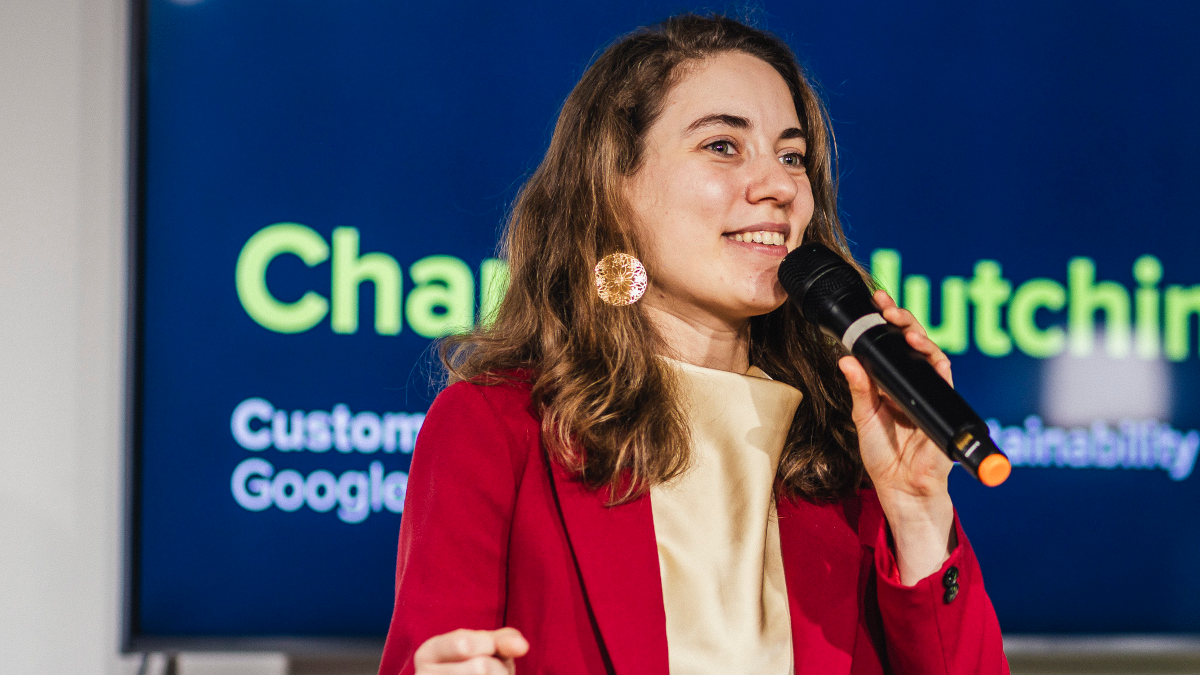
Juliette Devillard is the Founder and CEO of Climate Connection, which after launching in November 2021 now hosts more than 40 networking events for green startups, VCs, corporates, and government representatives each year.
What is Climate Connection?
Climate Connection’s mission is to accelerate climate innovation in the UK through the power of meaningful connections. We create high-quality, interactive events with a warm and welcoming environment, featuring inspirational talks, and providing conversation starters to help you connect with new people. We connect the whole ecosystem, ranging from climate tech founders and VCs to government and NGOs.
Our longest standing event, Climate Tech Time, has grown to become the UK’s largest monthly event for climate professionals, consistently drawing crowds of 150+ attendees.
How did you get into climate, and climate events more specifically?
My climate tech career started in the USA. I was working in Boston and California, where my job was to support early-stage hard tech and climate tech startups in their commercialisation journeys.
Going back to the UK, I was immediately struck by the difference in the speed of business. London has some of the best talent and tech in the world, but we move so much more slowly. I realised quickly that British culture was holding us back.
If you’ve worked with Americans, you will probably have experienced their often gregarious and go-getter outgoing nature. In the UK, we’re often held back by the cultural phenomenon of ‘politeness’. Instead of joining a conversation, we tend to avoid it so as to not bother people, and we tend to downplay our work and achievements.
It certainly doesn’t help that most networking events are rubbish. How many times have you been at a stuffy conference with boring speeches, or dinners where you’re stuck sitting next to one person?
So we set out to change things, and run the type of events that we wish we were invited to. We create experiences that are friendly and warm, but also have impeccable organisation and facilitate key industry conversations.
These realisations fueled my approach to founding Climate Connection. I wanted us to be the strong convening power able to consistently bring together the ecosystem and facilitate connections across climate tech.
We do this through creating experiences that are friendly and warm, but also are high-quality and push people out their stereotypically ‘British’ comfort zones via interactive networking. We want everyone to leave the room with new and meaningful connections.
How do you think events have changed in the last few years?
Attention spans. Modern technology and all of the ridiculous social media that we get bombarded with all the time have made us much more demanding for stimulation and instant insights. I can’t count the number of events that I’ve been to where all the people in the audience are on their phones and emails.
That’s because so many events haven’t adapted to the new reality – they’re still giving speakers half an hour to speak and they’re surprised when people stop listening. At our events, speakers have 12 minutes maximum to make their points, and at the larger events we shrink these down to 7 minutes.
Speeches have to be short and get to the point. Or alternatively, if you are doing a long speech, you have to make sure your speech is genuinely unique and engaging. The bar is higher than ever for content at events.
What are the main things that organisers overlook when it comes to making their physical events more sustainable?
Sustainability isn’t a consideration limited to climate networking events. There are several small things that companies can do to make their events more environmentally friendly – it doesn’t involve reinventing the wheel.
The biggest thing that people overlook is the food at the events. You can have a huge environmental impact by simply switching to a plant-based menu. A few decades ago this might have been incredibly difficult, but there are so many incredible caterers now that supply delicious veggie food at a lower cost, given vegetables are so much cheaper than meat.
Another thing that companies overlook is offsetting, but this is a much more complicated question to answer. You have to consider the scope of offsetting you’re willing to take on: are you offsetting how the venue was built? The transport people are using to get to the venue? Given recent scandals about the quality of offsets in the market, you also need to think carefully about which ones you end up buying to ensure you’re having real impact.
What do you think is the biggest mistake that people make when going to events?
The absolute worst thing you can say when you meet someone for the first time at a networking event is “what do you do?”. It makes the conversation completely transactional because what you’re really asking is “are you useful to me?”. You’re not going to form any real and lasting connections that way, and it will turn you and everyone you’ve spoken to into a LinkedIn connection you’ve forgotten about by 9am the next day.
Instead, ask questions about the person, such as “what do you love about what you do?” or “what are you most excited about in your job?”. You find out the exact same information, but you also form a connection with the person and have a much more enjoyable conversation. Plus, you both remember each other better and you’re more likely to land a new client or find a solution to the problem you were looking for – it’s a win-win.
Another good tip is to focus on quality not quantity. Trying to make as many connections as you can won’t be very effective. Instead, focus on having three or four really good conversations, and once you’ve done that, it’s okay to go home.
Thanks to Peter McCarthy at Harpswood for organising this Q a& A.