I have been at Genesis Exhibits for 32 years, and I’m grateful for every moment. It’s incredible how quickly the years pass, but milestones like this speak volumes about both a company’s culture and an individual’s sense of purpose. Loyalty, mutual respect, and feeling valued are key ingredients for longevity—on both sides of the equation.
LinkedIn’s reminders are more helpful than ever (especially at my age – I need all the prompts I can get!). I also appreciate how the platform keeps us connected through career milestones, promotions, and transitions. It’s hard not to notice how often professionals move from role to role these days. Staying with a company for more than a few years has become the exception, not the norm.
I’ve done a bit of reading on the topic, and there are many factors behind this shift: changing generational values, evolving career goals, and yes—age plays a role too. But at the heart of it all, I believe when people find a workplace where they feel fulfilled, respected, and aligned, they stick around.
The average employee tenure in the U.S. is about 3.9 years as of January 2024, according to the Bureau of Labor Statistics. But that number shifts quite a bit depending on age, industry, and sector:
By Age
- 25–34 years old: ~2.7 years
- 55–64 years old: ~9.6 years
Younger workers tend to job-hop more frequently, while older employees often stay longer.
Another factor is sector:
- Public sector: ~6.2 years
- Private sector: ~3.5 years
Government jobs typically offer more stability and benefits, which may explain the longer tenure.
Gender
- Men: 4.2 years
- Women: 3.6 years
Younger employees tend to job-hop for a mix of practical, cultural, and personal reasons—and it’s not just about impatience or lack of loyalty. Here’s a breakdown of what’s driving the trend:
Career exploration & growth, compensation & Benefits, values & purpose
- Gen Z and Millennials want work that aligns with their personal values, offers meaningful impact, and supports mental wellness.
- If a job lacks purpose or feels disconnected from their identity, they’re more likely to move on.
- Flexibility & Work-Life Balance
- Remote and hybrid work options are highly valued. Lack of flexibility is a major reason younger employees leave.
Changing Workplace Norms
- The old model of staying with one company for decades is fading. Loyalty is now earned through trust, growth opportunities, and recognition, not tenure.
- Younger workers often feel that companies aren’t loyal to them, so they reciprocate with mobility.
Entrepreneurial Mindset
- Many younger professionals juggle side hustles, freelance gigs, or passion projects alongside full-time roles.
- This mindset encourages frequent transitions to maximize freedom and income.
Industry plays a significant role in employee longevity, and believe it or not, event professionals consistently rank among the Top Ten most stressful occupations. I’ve spent over 50 years in the live events industry—my journey began in college as a stagehand at a Beach Boys concert, and I was instantly hooked. There’s something magnetic about being one of the behind-the-scenes professionals who make events come to life, often referred to as the “Invisible Industry.”
It’s a career path chosen by those who don’t mind being the first to arrive and the last to leave. We embrace the travel, the long hours, the hard deadlines—knowing that when the doors open at 10 a.m. for a trade show or the gates swing wide at 7 p.m. for a concert, every detail must be in place. It’s a field that demands resilience and precision, but it rewards you with pride, purpose, and unforgettable moments.
This profession isn’t for everyone, but for those of us who live it—it’s more than a job. It’s a calling.
Why Younger Employees Leave Event Roles
- Burnout & Stress: Fast-paced timelines, high client expectations, and travel demands can lead to early burnout.
- Limited Growth Paths: Many entry-level roles lack clear advancement opportunities, prompting talent to look elsewhere.
- Compensation Gaps: Compared to tech or finance, event roles often offer lower pay for equally demanding work.
- Rigid Structures: Agencies that resist hybrid work or flexible hours risk losing younger staff who value autonomy.
- Purpose-Driven Mindsets: Gen Z and Millennials want to work on projects that align with their values—like sustainability, DEI, or mental health advocacy.
Retention Strategies That Work in the Events Industry
1. Flexible Work Models Hybrid schedules and remote work options help reduce burnout and support work-life balance.
2. Clear Career Pathways Defined growth trajectories demonstrate how roles can evolve, fostering long-term engagement and ambition.
3. Mentorship Programs Structured mentorship connects emerging professionals with industry veterans, promoting learning and a sense of belonging.
4. Consistent Recognition & Feedback Frequent, authentic praise paired with constructive feedback boosts morale, motivation, and team cohesion.
5. Purpose-Driven Initiatives Projects focused on CSR, sustainability, and community advocacy resonate deeply with younger professionals seeking meaningful impact.
6. Holistic Wellness Support Offering mental health resources, flexible time-off policies, and stress management tools demonstrates a commitment to employee well-being.
7. Tech-Forward Workspaces Integrating modern platforms and immersive tools attracts and retains talent that thrives on innovation and efficiency
In an industry built on creativity, precision, and connection, retaining younger talent requires more than perks—it demands purpose. By embracing flexibility, wellness, and values-driven work, the events industry has a chance to transform job-hopping into mission-sticking. Gen Z and Millennials aren’t disengaged; they’re discerning. And when we meet them where they are, they stay to help build what comes next.
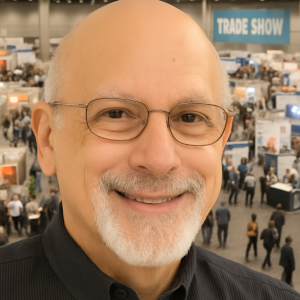
Al Mercuro is the strategic marketing and client engagement advisor at Genesis Exhibits and Apprupo.