
Warren Campbell spearheaded the inception of sustainable London venue 15Hatfields from scratch in 2008, and remained general manager for 14 years. He has championed best practices in events, not just at the venue, but in the wider industry. Following April’s ‘Stop Food Waste Day’, Warren is challenging the meetings and events industry to drive change and reduce food waste at their venues.
In the bustling world of business meetings and events, where every detail is meticulously planned and executed, there’s one aspect that often gets overlooked, which according to WRAP sees the hospitality and food sector waste £3.2 billion of food each year. The annual ‘Stop Food Waste Day’ should be a reminder that it’s imperative for businesses to recognise their role in this global challenge, which according to Stopfoodwasteday.com sees a staggering 33% of food going to waste or lost.
The key to addressing this issue lies in fostering a culture of awareness, collaboration, and innovation within both our own organisations and our clients’. It’s not the responsibility of a single individual but instead a collective effort. Every member must be involved, invested, and passionate to tackle the issue. It is important to analyse the patterns of consumption across events and question where food is being left or when clients are asking for more portions, in order to see change.
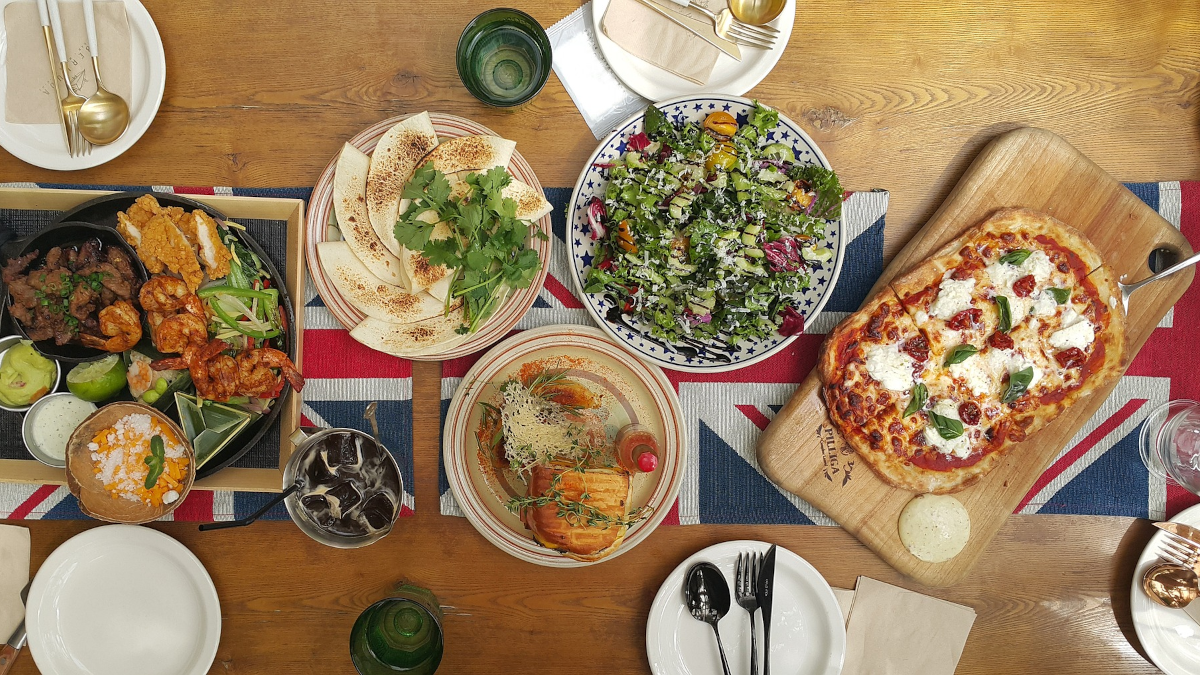
One crucial avenue for businesses to tackle food waste is by closely examining menus and to create smarter versions which can assist in achieving food waste goals. Demographics play a significant role in determining food preferences and portion sizes, and by actively engaging with event organisers and suppliers, businesses can tailor their offerings to ensure meals are sumptuous and filling without resorting to excessive portion sizes.
At 15Hatfields, we have meticulous plans in place to ensure the delicate balance between delegate satisfaction and waste reduction. Our approach includes allowing orders to be placed up to 12pm on the day before an event, ensuring precise catering is delivered which is tailored to the expected numbers.
I challenge the industry to delve deeper into analysing the consumption of different dishes at their hosted events, regulating and adapting menus regularly based on patterns identified. The only way in which we can create change is by understanding the dynamics of consumption. That way, businesses can implement targeted strategies to minimise waste while maintaining guest experience.
These efforts also inform communications on the impact of zero food waste within businesses’ marketing. Highlighting the amount of food that has been saved from going to waste over a 12-month period not only reflects positively on a business’s sustainability goals but also inspires others to follow suit. It’s a powerful message that resonates with stakeholders and reinforces the importance of responsible production and consumption.
In line with these principles, 15Hatfields has outlined eight practical ways to combat food waste at events. From careful menu planning to embracing innovative technologies, our approach serves as a blueprint for businesses seeking to make a meaningful difference. By adopting these strategies, organisations can contribute to a more sustainable future while simultaneously enhancing their reputation as responsible businesses.
As we navigate the complexities of the modern business landscape, combating food waste must remain a top priority. It’s not merely an environmental issue but a moral imperative and a reflection of our collective commitment to future generations. By working together, embracing innovation, and fostering a culture of sustainability, businesses can play a pivotal role in stopping food waste and creating a brighter, more prosperous tomorrow.
It’s time for the industry to seize the opportunity presented by Stop Food Waste Day to reaffirm our dedication to this cause. Together, we can turn the tide against food waste, one event at a time, and pave the way for a more sustainable world.
More information about our continued efforts to stop food waste can be found in our Sustainability Hub – which we launched last year to share and encourage the wider industry to take action. The Sustainability Hub serves as a library of information in which event professionals can be inspired by our ongoing commitment to food waste management and learn how to implement practices themselves.