
This article on greenhouse gas emissions is by Nick Garrod, head of learning and skills at Rio. He examines the first of the three Scopes, the types of emissions it covers and how to measure and manage them. He also discusses strategies for reducing scope 1 emissions. His introduction to the three scopes is here.
Scope 1 emissions are direct greenhouse gas (GHG) emissions from sources owned or controlled by an organisation. These emissions arise from activities where the organisation has direct operational control, such as the combustion of fossil fuels in company-owned vehicles, boilers, furnaces, and industrial processes. Given that these emissions are under the organisation’s direct control, they are often the primary focus of initial GHG reduction strategies.
Sources of Scope 1 Emissions
Stationary Combustion: This includes emissions from burning fuels in stationary sources such as boilers, furnaces, and generators. These are common in manufacturing plants, office buildings with onsite heating systems, and other facilities requiring heat or power generation.
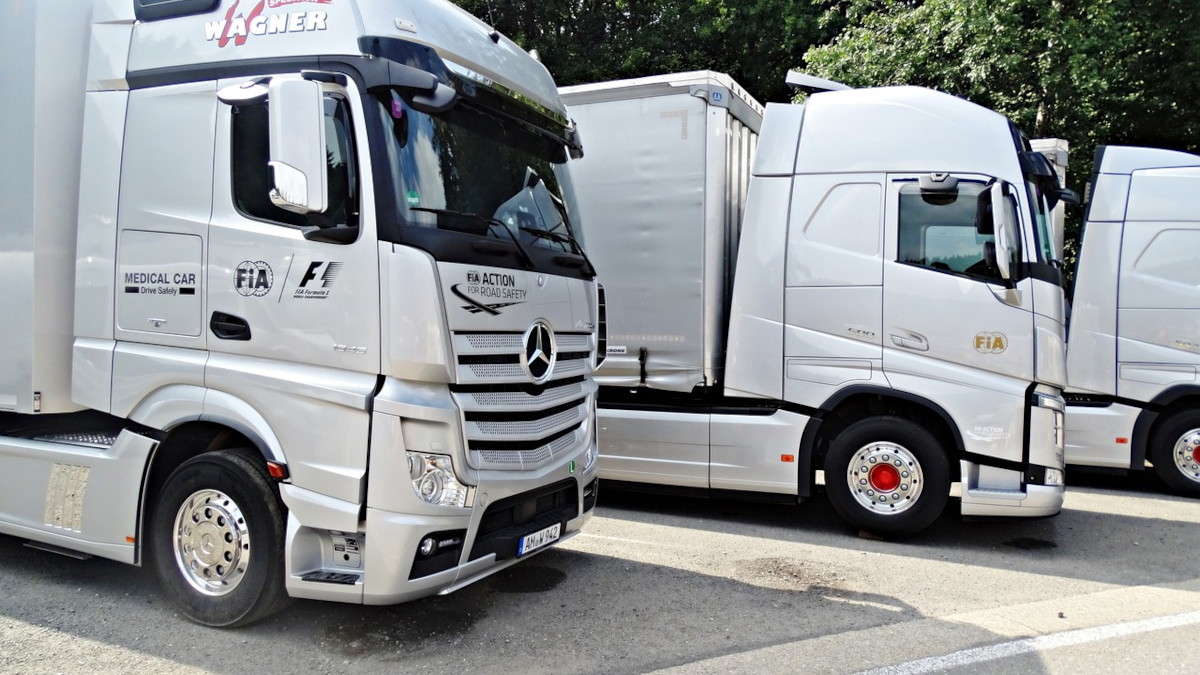
Mobile Combustion: Emissions from transportation vehicles owned or controlled by the organisation fall into this category. This includes company cars, trucks, buses, and even aeroplanes.
Process Emissions: These emissions result from chemical reactions necessary for production processes, excluding combustion. For instance, cement production releases carbon dioxide (CO2) during the conversion of limestone to lime.
Fugitive Emissions: These are not physically controlled emissions that result from releasing gases. Examples include refrigeration and air conditioning units, equipment leaks, and methane emissions from mining operations or oil and gas production.
Measuring Scope 1 Emissions
Accurately measuring Scope 1 emissions involves several steps:
- Inventory Management: Identify all sources of direct emissions within the organisational boundaries.
- Data Collection: Gather data on fuel consumption, process outputs, and potential fugitive emission sources.
- Emission Factors: Apply appropriate emission factors to convert activity data (e.g., litres of fuel consumed) into GHG emissions (e.g., metric tons of CO2 equivalent).
Various tools and methodologies, such as those provided by the Greenhouse Gas Protocol, are available to assist organisations in accurately calculating their Scope 1 emissions.
Challenges in Managing Scope 1 Emissions
Data Accuracy: Ensuring accurate and comprehensive data collection can be challenging, particularly for organisations with multiple facilities or operations in different regions.
Technological Constraints: Some industrial processes or activities inherently produce GHG emissions, and finding technologically feasible alternatives can be difficult.
Regulatory Compliance: Different regions have varying regulations and standards for emissions, complicating multinational organisations’ efforts to manage their emissions uniformly.
Strategies for Reducing Scope 1 Emissions
- Energy Efficiency: Implementing energy-efficient technologies and practices can significantly reduce emissions from stationary combustion sources.
- Fuel Switching: Transitioning to lower-carbon fuels, such as natural gas, instead of coal, can reduce the carbon intensity of emissions.
- Renewable Energy: Investing in onsite renewable energy sources, such as solar or wind, can reduce reliance on fossil fuels.
- Fleet Management: Optimizing logistics and investing in fuel-efficient or electric vehicles can reduce emissions from company-owned transportation fleets.
- Leak Detection and Repair: Implementing regular maintenance and monitoring systems to detect and repair leaks can mitigate fugitive emissions.
Case Study: Example of Effective Scope 1 Management
Consider a manufacturing company that has reduced its Scope 1 emissions by 30% over five years. This reduction was achieved through energy efficiency improvements, switching to biomass fuel for its boilers, and investing in electric vehicles for its fleet. The company also implemented a rigorous leak detection and repair program, significantly reducing fugitive emissions from its refrigeration units.
Conclusion
Scope 1 emissions are critical to an organisation’s overall GHG emissions profile. By understanding the sources, measurement techniques, challenges, and strategies associated with these direct emissions, organisations can take meaningful steps to reduce their carbon footprint. This contributes to broader efforts to combat climate change and move towards a more sustainable future.
- Greenhouse Gas Emissions feature home
- Introduction to emission scopes
- Scope 2 And Your Organisation’s Carbon Footprint
- More guest articles