
Scott Hawthorne, Founding Director of Skips And Bins, examines the upcoming changes to the UK waste laws and how they will significantly impact the food and drink sector, with a particular focus on festivals.
In the UK, waste laws are becoming stricter, with new rules aiming to unify recycling efforts across England, Scotland, Wales, and Northern Ireland. A key shift, inspired by Wales’ high recycling rates, will require businesses in England to sort waste into separate streams by March 2025. For the food and drink sector, this means separating dry recyclables—like cans, glass, and plastic—from food waste.
Why does this matter? Food and drink businesses generate significant volumes of both packaging and organic waste. Without careful planning, these new rules could disrupt operations, especially for those serving large crowds, such as at festivals.
Skips and Bins, skip hire experts, look at new waste laws and what these changes mean for the food and drink sector, focusing on festivals, which are at the frontline of this change.
Waste management at festivals
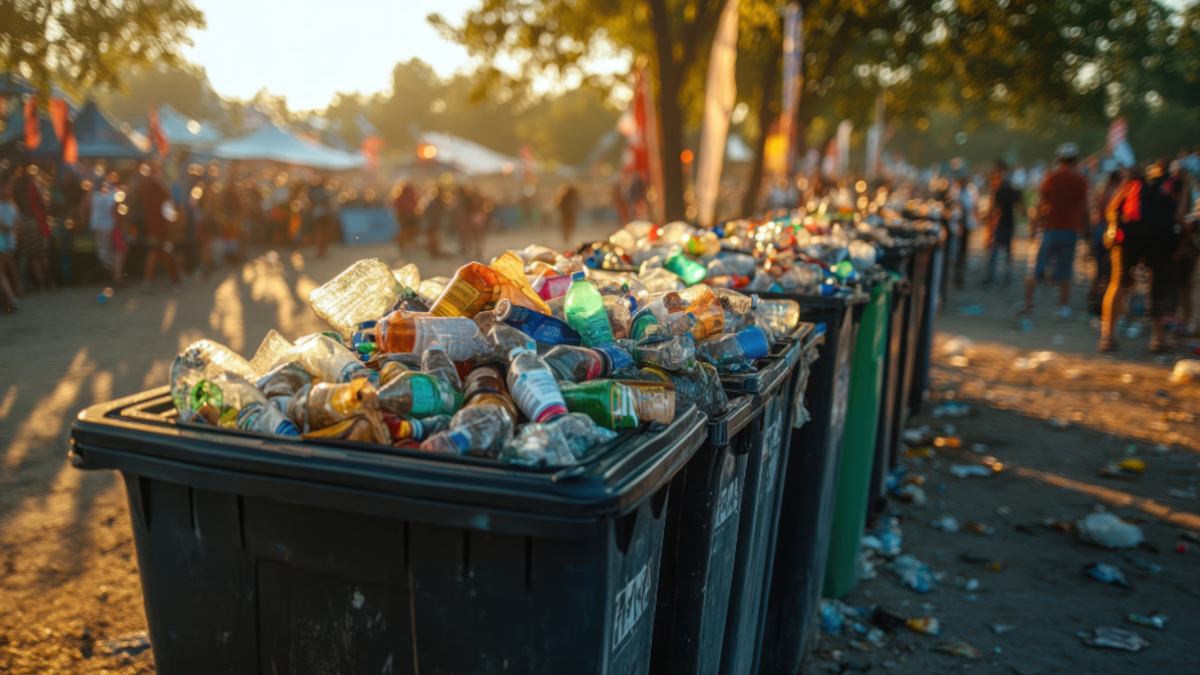
Festivals, often seen as hotspots for single-use plastics, are at the frontline of these changes. Plastic pint glasses, cutlery, and food trays have long been staples, but their environmental cost is undeniable. Forward-thinking festivals are already taking action – some now ban single-use plastics altogether, while others offer reusable cups with deposit schemes to encourage returns.
If waste laws push for stricter recycling standards at events, organisers will need to level up their waste management. This could mean more clearly labelled recycling stations, on-site composting for food scraps, or even perks like discounts for returning reusable items.
For attendees, small changes can make a big difference. Packing a reusable water bottle or coffee cup is one of the easiest ways to cut waste. But if you forget, many festivals are introducing “borrow-a-cup” programs, where you can use and return durable drinkware for a small fee.
Food waste
The new laws also target food waste—a major contributor to greenhouse gas emissions. By 2025, all food and drink businesses in England will need to arrange separate collections for food waste. This waste will be sent for anaerobic digestion, where it’s converted into renewable energy and fertiliser.
At festivals, food trucks and vendors often generate huge amounts of waste, from uneaten food to biodegradable plates. Under the new system, they’ll need to rethink how they handle leftovers. Some might team up with food banks to donate surplus meals, while others could set up composting stations to process scraps onsite.
For smaller businesses, the transition might feel daunting, but there’s some breathing room. Companies with fewer than ten employees have until 2027 to comply. In the meantime, support tools from organisations like WRAP are being developed to ease the burden.
Deposit return schemes
Another big change is the introduction of Deposit Return Schemes (DRS), where consumers pay a small deposit on drink containers like plastic bottles or cans and get it back when they return the empty container for recycling. Set to launch by 2027, the scheme aims to boost recycling rates for single-use drink packaging to over 90%.
For the food and drink sector, this means rethinking packaging choices. Vendors at festivals will need to find ways to encourage returns, potentially through collection bins or partnerships with recycling services. While this adds logistical challenges, it also presents an opportunity to engage customers in sustainability efforts.
Adapting to change
For businesses and event organisers, adapting to these regulations will take time, resources, and creativity. Smaller operators may struggle with the upfront costs of compliance, while larger ones must find ways to manage high volumes of waste without disrupting the customer experience.
However, the benefits are undeniable. Embracing greener practices not only reduces environmental harm but also enhances brand reputation—especially among eco-conscious consumers who value sustainability.
Conclusion
The future of waste laws in the food and drink sector is both a challenge and an opportunity. From ensuring proper recycling practices at festivals to leveraging anaerobic digestion for food waste, the industry faces a pivotal moment. Preparing now—whether by investing in better waste management systems or educating customers on sustainable practices—will ease the transition and set a positive example for others to follow.
For businesses, the shift toward greener operations isn’t just a legal obligation; it’s an opportunity to lead the way in creating a sustainable future. For festivalgoers, it’s a chance to contribute, one reusable cup at a time.