
Craig Chambers is Group CEO at TBR Global Chauffeuring, where he leads the company’s global strategy. With nearly two decades of experience at TBR, he has played a pivotal role in shaping the company into a leader in premium ground transportation for financial roadshows, corporate travel, and global events.
Large-scale international events leave little room for error. Whether it’s a global sporting spectacle or major fashion showcase, everything needs to run on time and feel easy for the people attending. For guests used to a high level of service, the journey between venues is as important as the event itself. What looks effortless on the day is usually the result of detailed planning and disciplined execution over many months.
Ground transport is central to that experience, and it’s often where things get most complicated. Different environments bring different challenges. Alpine terrain, unpredictable weather and dispersed venues at a Winter Olympics present a very different set of problems to the congestion, road closures and security restrictions during London Fashion Week. In both cases, the margin for error is zero.
In an alpine setting, distance and geography are the main issues. Venues are spread out, roads are narrow, and conditions can change quickly. Weather can affect journey times and even access routes. During the recent Winter Games in northern Italy, the task was to move people across wide areas while keeping journeys consistent and reliable, even as driving conditions changed.
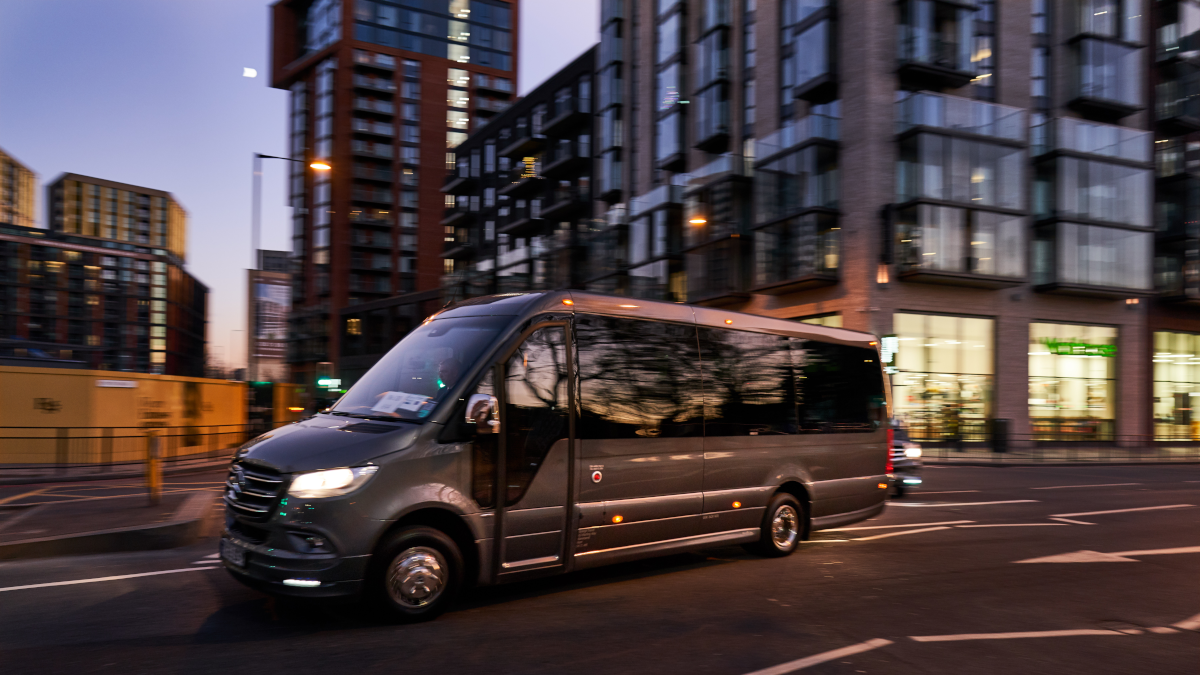
Contrast that with London. It’s dense, busy and tightly controlled. During Fashion Week, vehicles operate within a small footprint where delays can quickly affect the wider schedule. Traffic, security checks and the flow of arrivals and departures need to be choreographed simultaneously.
In both scenarios, the event timetable is only one part of the equation. The real work is building a transport strategy that reflects the environment it has to operate in.
That starts months in advance. Teams map venues, study traffic patterns and identify where pressure is likely to build. Technology helps. Live tracking, flexible routing and constant communication between drivers and control teams to make it easier when things change.
But technology on its own is not enough. Decisions still need to be made quickly and with conviction on the ground. The most effective operations combine good systems with experienced people who understand how events work in practice.
That becomes even more important when high-profile guests are involved. Expectations are higher, and there is less room for delay or disruption. A programme for London Fashion Week, for example, means coordinating airport arrivals, managing hotel-to-venue movements, and keeping vehicles ready for last-minute changes, all within a highly visible setting.
The same applies to large sporting events. During the recent Winter Games, teams had to deal with peaks in arrivals, controlled access points and tight daily schedules. Plans were constantly adjusted as the day unfolded. Flexibility is essential at that scale.
What makes the difference is experience. Skilled chauffeurs help keep things calm and professional even under pressure. Project managers and on-site teams spot problems early and deal with them before they affect the guest.
Once an event is underway, there is no time to start figuring things out. The preparation has to be done in advance.
Success is simple to describe. The guest never notices what is happening behind the scenes. Journeys run smoothly, and the experience is consistent from start to finish. Getting there takes planning, the right tools and people who know what they are doing.
From alpine roads to city streets, the settings change, but the aim does not. Keep things running smoothly even when the reality behind it is anything but simple.