The Erosion Of Enthusiasm: Why Traditional Event Agendas Drain Attendees

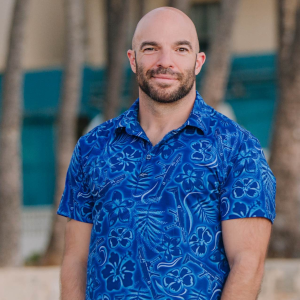
This guest post is by David T Stevens. He is a 20-year veteran planner and 6x Fittest Male #EventProf, an honor achieved by topping the occupational leaderboard of the annual CrossFit Games Open. He has planned meetings, events and incentives for media, live entertainment, agency, association and corporate organizations. You can discover more about David via his YouTube channel.
In an era where wellness is often highlighted as a cornerstone of productivity and engagement, traditional event agendas continue to miss the mark, leaving attendees exhausted rather than energized. This systemic failure in event planning is not just a minor oversight—it’s a significant flaw driving potential participants away.
Traditional event structures typically pack schedules with back-to-back sessions, panel discussions, and networking opportunities with scarcely a moment for attendees to catch their breath. This relentless pace, often under the guise of maximizing the value of attendance, can lead to cognitive overload, where the ability to process and retain information plummets, and engagement becomes a struggle rather than a benefit.
Cognitive Overload and Lack of Engagement
Cognitive overload is a critical issue at densely packed events. When attendees are bombarded with continuous input without adequate breaks, their ability to focus and engage meaningfully with the content diminishes. This is not just a subjective experience; it’s backed by science. Research indicates that the brain needs downtime to process and retain information. Without these pauses, the neural connections that form the foundation of learning and memory cannot occur optimally.
Furthermore, traditional agendas often fail to account for individual differences in energy levels and engagement styles. What works for one participant may be utterly draining for another. This lack of personalization can make events feel impersonal and irrelevant, prompting attendees to disengage.
The Physical Toll of Non-Stop Schedules
The physical effects of non-stop event schedules can be just as detrimental as the cognitive impacts. Long periods of sitting, often in less-than-ideal ergonomic conditions, contribute to discomfort and physical fatigue, which further detract from an attendee’s ability to stay focused and absorb information.
Moreover, the typical event setup with minimal movement and poor nutritional options plays a direct role in diminishing an attendee’s energy and cognitive function. As noted in wellness studies, movement and nutrition are pivotal in enhancing cognitive abilities and overall well-being. Events that neglect these aspects of attendee care may inadvertently foster an environment of lethargy and disinterest.
The Push for Personalization and Wellness
Recognizing these pitfalls, a shift is emerging that focuses on integrating wellness into the event experience—a shift from the traditional 6AM Yoga to a more holistic approach. This evolution is driven by the understanding that attendee well-being directly influences engagement and retention. Incorporating elements such as mindfulness, meaning, movement, and better meals into the agenda not only addresses physical and cognitive needs but also enhances the overall attendee experience.
For instance, scheduling short mindfulness exercises between sessions can significantly reduce stress and improve concentration. Likewise, facilitating movement through guided stretches or offering options for walking meetings can mitigate the fatigue associated with prolonged sitting. Combined with providing meals that are rich in nutrients can boost cognitive function and energy levels, ensuring that attendees not only stay throughout the event but also participate actively.
The Future of Event Planning
The transition towards an attendee wellness-first event architecture is not merely a trend but a necessary evolution in how we conceive and execute gatherings. Forward-thinking organizations are already reaping the benefits of this shift, noting higher satisfaction rates, increased retention of presented information, and more enthusiastic feedback from participants.
In conclusion, to remain relevant and effective, event planners must pivot away from the traditional, one-size-fits-all agenda that exhausts attendees. Instead, they should embrace a model that promotes well-being through personalized, thoughtful scheduling and wellness integration. By doing so, they can transform events from energy-draining obligations into energizing, enriching experiences that participants are eager to attend. This not only enhances the immediate outcome of the event but also builds a loyal, engaged audience over time.