If you are attending or exhibiting at IMEX, which is taking place between the 19th and 21st of next month, then you may want to double check with your airlines and where possible, allow for extra time for passing through border controls.
The conflict in the Middle East is forcing airlines to increase costs and cut flights. This is affecting travellers, including those heading to trade shows, conferences and meetings.
The Strait of Hormuz continues to be very restricted and tightly controlled. While some ships are going through, they are very few in number and not enough to satisfy fuel demands.
Jet fuel, which accounts for a substantial portion of an airline’s operating expenses, has seen massive price surges. This has directly pressured European airlines to pass these costs onto consumers through higher ticket prices and, in some cases, increased baggage fees. The scarcity of fuel has forced some European airports and airlines to implement refueling restrictions or to preemptively cancel flights. Smaller carriers are at a higher risk of financial instability and operational reductions.
Industry experts and airline CEOs have warned that if the Strait remains blocked, the summer travel season could see continued disruptions, including fewer available flights and further cancellations, particularly as airlines struggle to secure stable fuel supplies.
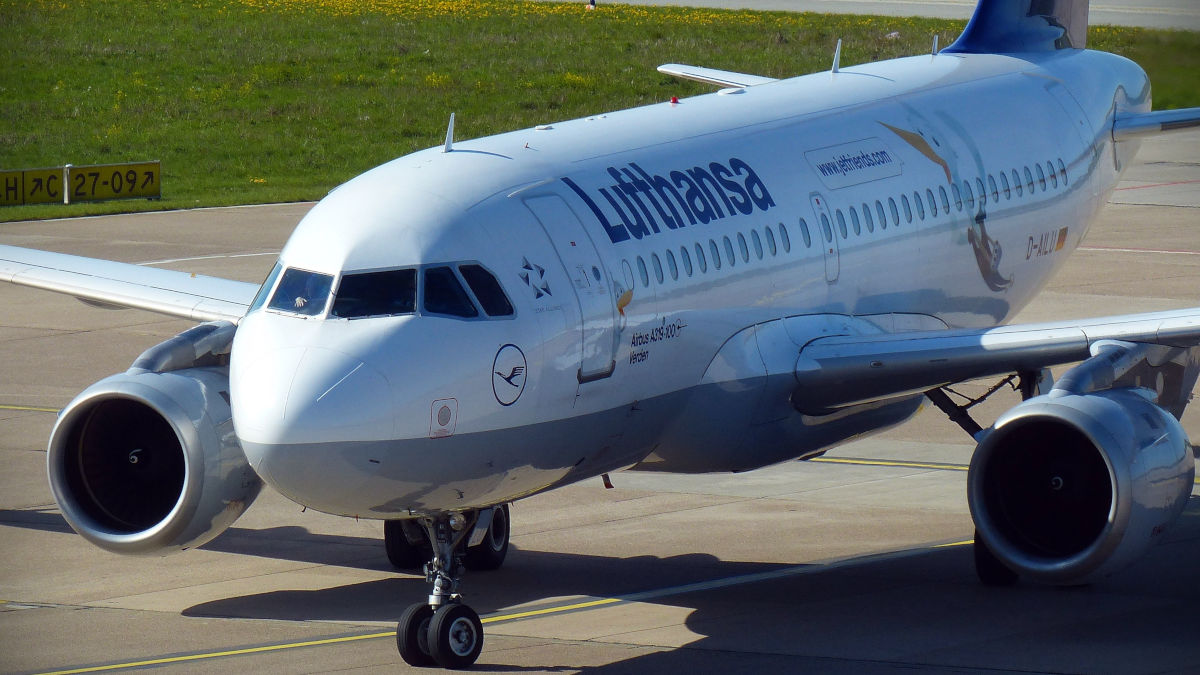
According to reports, KLM has cancelled more than 150 European flights due to the rising cost of jet fuel. The Dutch airline will not operate 80 return flights out of Amsterdam’s Schiphol airport over the next month. German airline Lufthansa has said it will cut 20,000 European short-haul flights over the summer, citing soaring fuel prices have made many journeys ‘unprofitable’ for the firm.
Other airlines have also responded, Aegean Airlines, AirAsia X and Air India are also increasing costs and cutting flights.
An additional challenge for travellers is The European Entry/Exit System. It tracks non-EU citizens, including UK travelers, when visiting the Schengen area. It replaces manual passport stamping with self-service kiosks, and requires biometric data upon arrival – such as fingerprints and photos. It was officially launched on April 10th, this year, however the kiosks are not fully available at all European airports. There have been outages which have created long queues for manual checks and passengers have missed flights as a result.
If these disruptions continue, there will be long term implications for industry shows such as The Meetings Show in late June and for Word Travel Market which is due to take place early November.