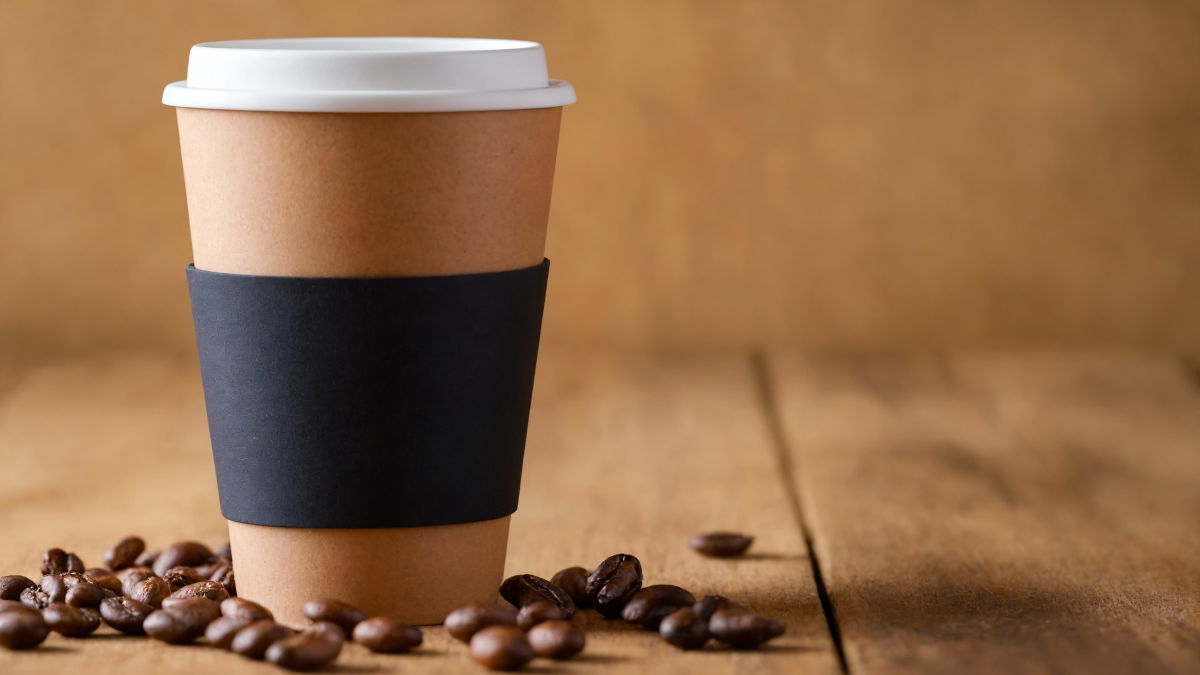
Single use plastic cups are a huge problem when it comes to recycling. For starters they have to be separated out, Venues, hotels & restaurants would have to ensure there’s suitable bins available. There’s also the apparent reluctance to use alternatives, such as paper cups, and for the general public to demand them. And lastly, human behavior. There needs to be some kind of incentive to persuade the public to actually place their used cups in separate bins.
The Scottish Government has decided, due to the successful reduction of waste plastic bags with the 5p charge, to introduce a similar thing for plastic cups. They estimate that Scotland has used 388 million single-use cups between 2021 and 2022, generating 5,400 tonnes of waste.
According to an article they published on the 22nd August this year…
“The Scottish Government is consulting on the possible introduction of a 25p charge to all single-use drinks cups when a drink is bought, regardless of material. Exemptions would apply for specific locations and uses, such as in schools. Free drinks in hospital or care settings would not be included in the scope of the charge.”
They have been influenced by how Europe are currently dealing with it…
“There are already similar charging schemes for cups established in Europe – with the Netherlands introducing a guideline charge of 25 cents on plastic, single-use cups in 2023. Legislation allowing the introduction of environmental levies on single- disposable cups in the Republic of Ireland was also passed in 2022 – although it has yet to come into force.”
Not everyone is convinced that a levy of 25p will be enough of an incentive. Waste expert and co-founder of Business Waste, Mark Hall, has a different opinion…
“It’s about time measures are taken to tackle disposable cup waste, but 25p is too low a charge. This won’t be enough to truly make a change and stop people using them. Most plastic bags these days cost between 30p and 60p and they still fly off the shelves. Instead it should be increased to at least £1 to have a significant impact. When first introduced, the plastic bag charge decreased use by 80% in Scotland, which shows it’s an effective strategy. However, the price of plastic bags kept increasing. Although some supermarkets have gone from charging 5p to 60p, the bags still sell. A higher charge will draw more public attention to the issue of single-use waste and will lead to more instant changes in consumer behaviour. This will also motivate businesses to offer more sustainable alternatives or incentives for customers who bring reusable cups.”
Calum Duncan, head of policy and advocacy at the Marine Conservation Society has also shared his thoughts…
“Our volunteers have recorded single-use disposable cups on over half of UK beaches. We need to see charges on these kinds of items to reduce litter in our seas and prevent it from damaging our precious marine life.”
The society’s annual litter survey reported an 80% drop in plastic bags found on UK beaches since charges were introduced.
While there are exemptions as mentioned above, it will affect most hospitality businesses. There’s currently a debate on whether the profits from the cups should be kept by the business, donated to charities, or collected by the government.
Gillian Martin, acting net zero secretary, said that retailers would be able to retain some profits and benefits from implementing the charge.
Mark Hall has a few of his own suggestions…
“The additional revenue from a higher charge should be directed towards funding environmental initiatives, such as recycling programs, cleanup efforts, and public education campaigns about waste reduction and sustainability. This will truly maximise the impact of the initiative.”
How this will actually be implement and what will happen to the profits will be discussed in the consultation process that runs until 5th November 2024.
Thanks to Alex Neag at Business Waste for the extra info and quotes.