
There are many historic venues in and around London and there are very many fine places across the UK. I’ve written about some of them here and here. However, there’s a location you need to explore that has a deep and extensive history, which now has venue spaces waiting to be discovered. It features plenty of space, open skies and good access for people of all abilities.
Head south for British Naval History
A train ride of around 40 minutes south of London, lays the Historic Dockyard Chatham on the River Medway in Kent. The first official record of the Royal Navy using the area dates back to 1547. The original Tudor site eventually ran out of space for dry docks. To expand, the entire operation was moved slightly downstream to its current location which became fully operational in 1618. If you want to put that history in to perspective, it was being used for more than 200 years before the United States declared its independence in 1776.
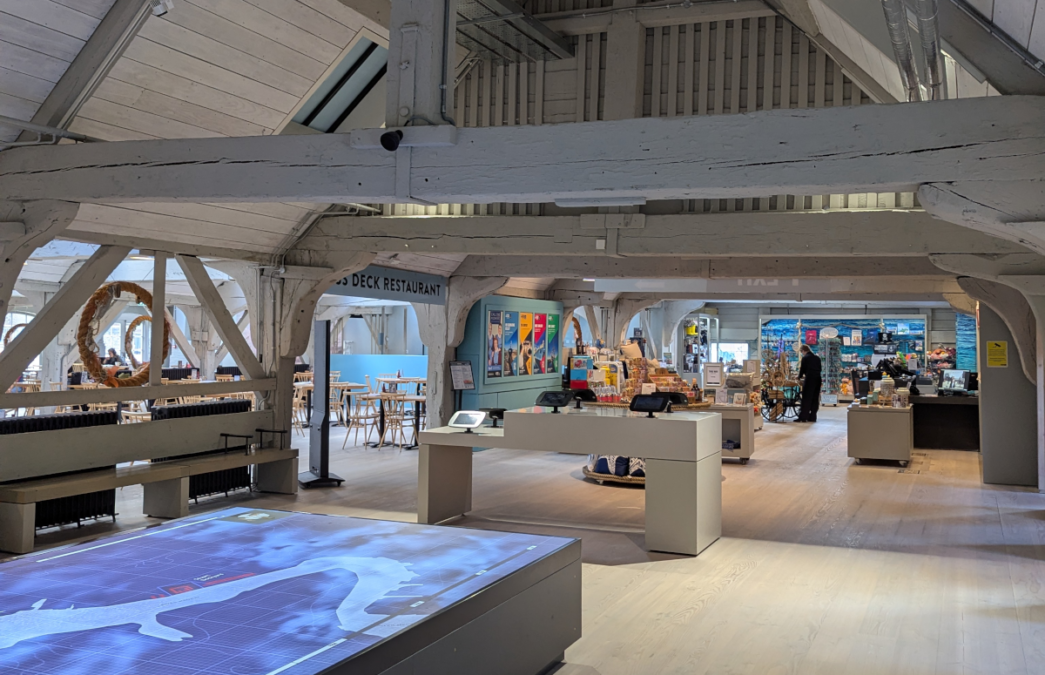
In recent times, the Dockyards have undergone significant conservation work and buildings have been transformed in to venue spaces while preserving their history. I was fortunate to be invited to join a tour before the new venues spaces were opened.
In the main reception area, which features a gift shop and brightly lit cafe, our guide saw me looking at the old beams that support the roof. She explained that, at a minimum, the beams were over 100 years old. In other buildings, such as the one where the Master Ropemakers work, the wooden support structures are by far much older. When we left the reception building to start our tour, I could see just how much preserved history surrounded us.
We spent the afternoon exploring the Dockyard. There was a lot to see that we didn’t have time to get up close to, such as HMS Cavalier, HM Submarine Ocelot and the UK’s largest collection of RNLI historic lifeboats. There’s too much to see in one day, especially as our group was there to see the venues.
Of the venues that the guide showed our group of keen explorers, three of them stood out – No. 1 Smithery, HMS Gannet and The Commissioner’s House.
No. 1 Smithery – from ironworks to venue space
No.1 Smithery was built in 1801 to help meet the Dockyard’s growing need for ironwork. The building is now a venue offering modern museum galleries, temporary exhibitions and flexible event spaces.
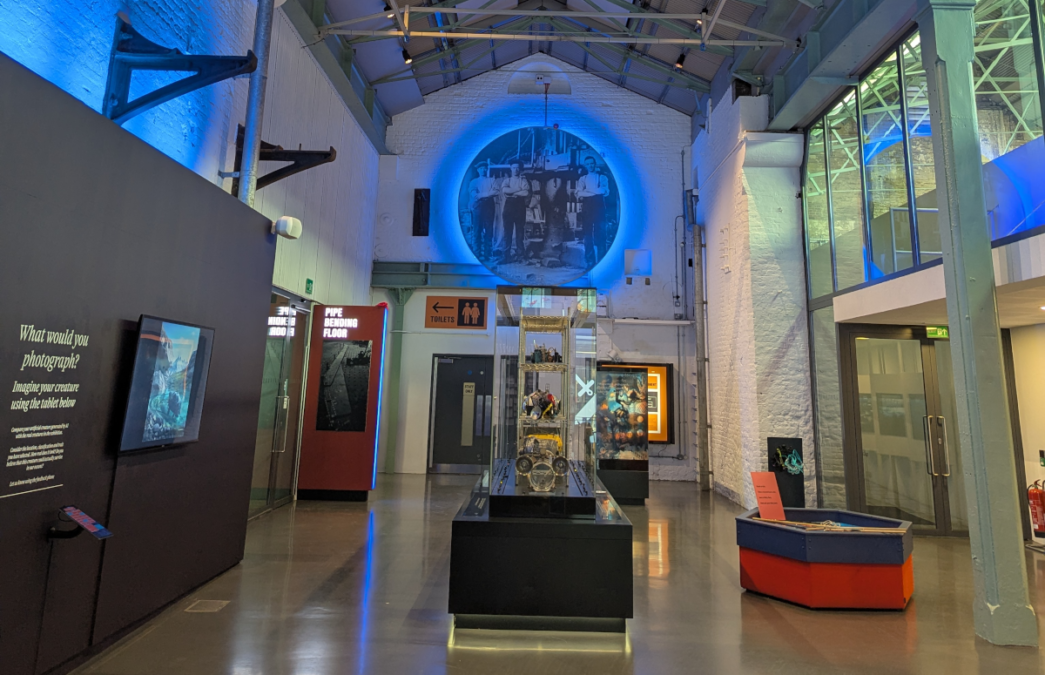
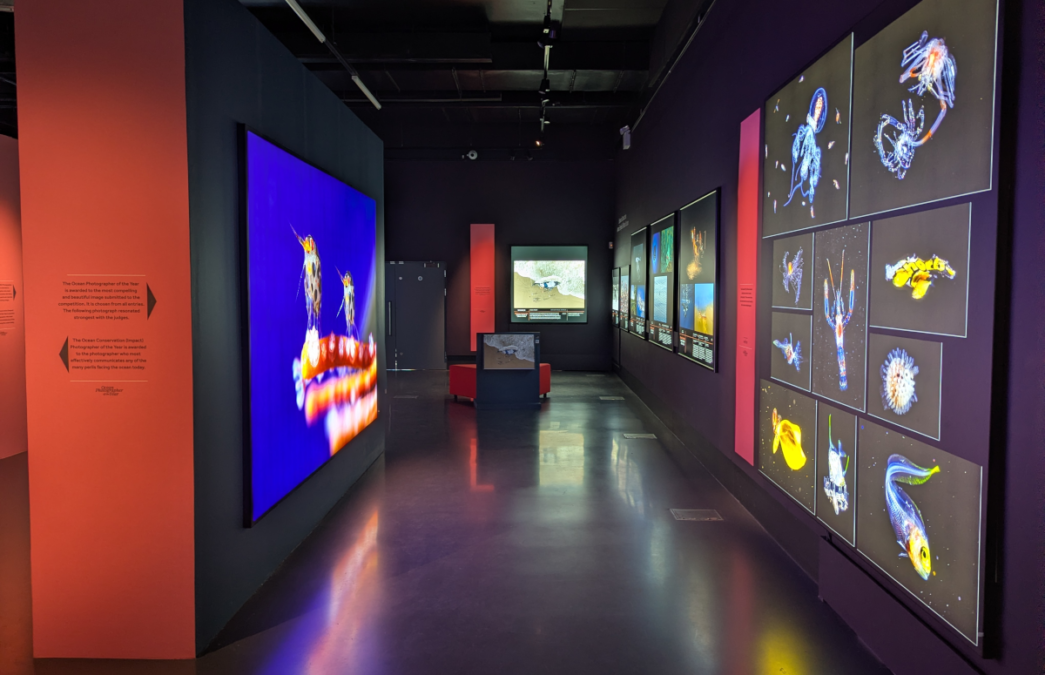
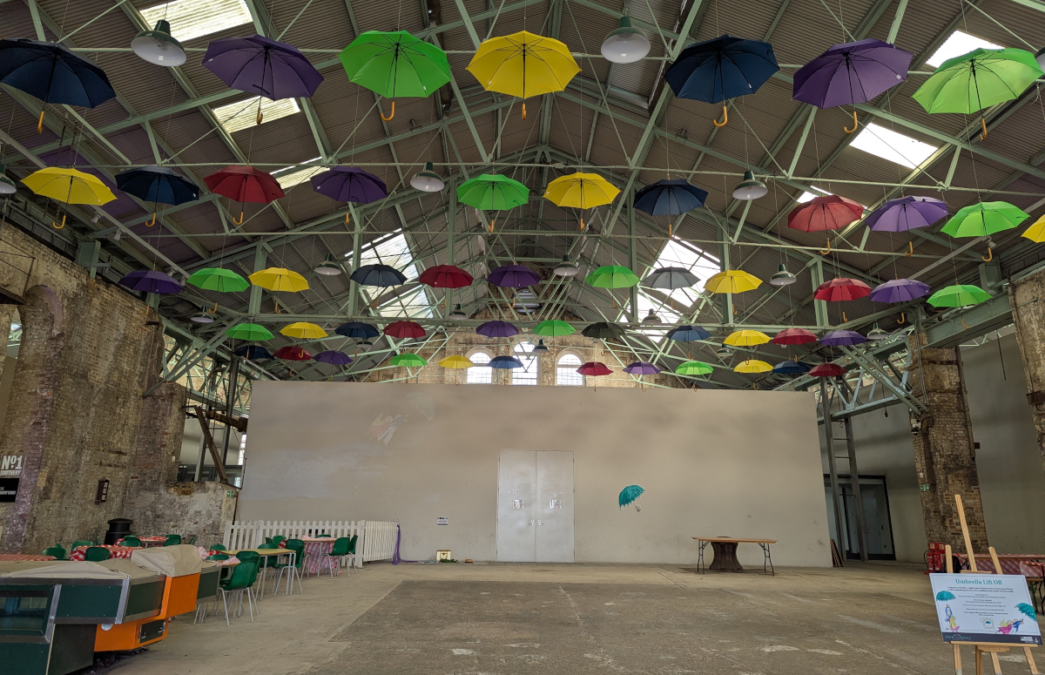
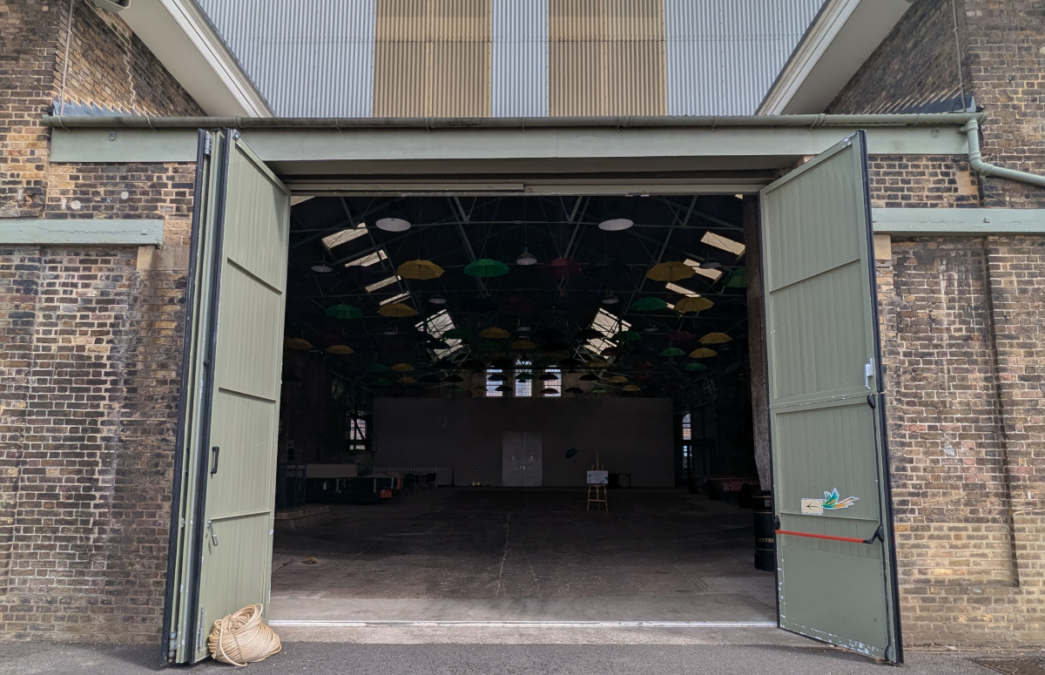
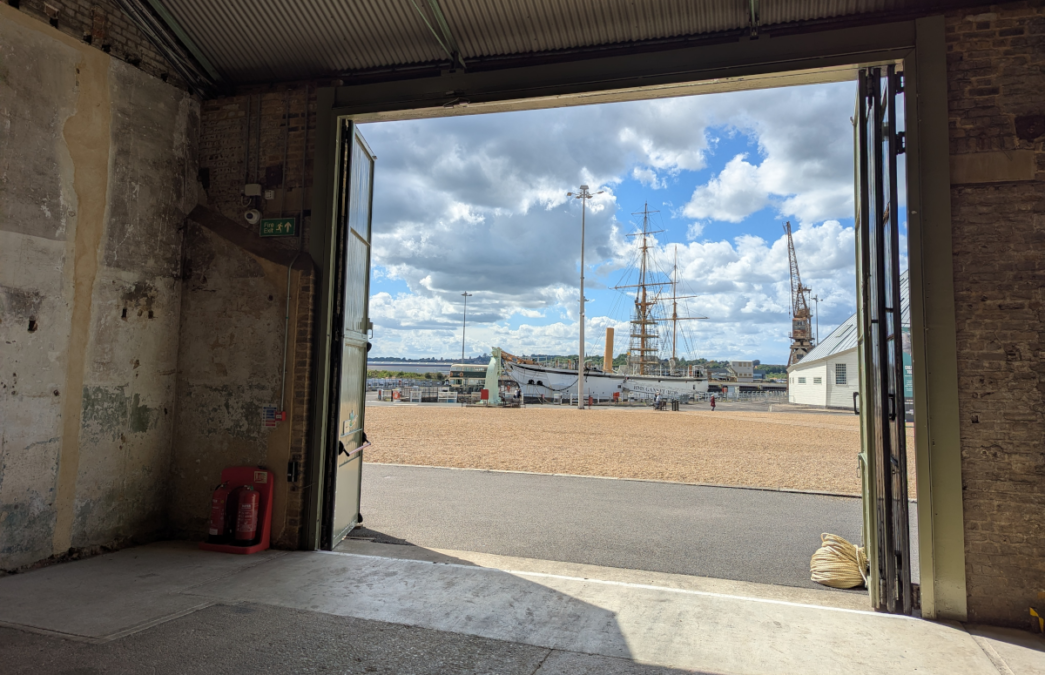
When we arrived, the gallery was being used for a photographic exhibition. One of our group who works as an event organiser for a long established pharmaceutical company, immediately saw the potential. A company conference with important images from their past on display, while next door in the big space the event itself would take place. If needed, it could spill outside through big doors, with tables and chairs in the space out front. And there is enough space inside to retreat to when the British summer decides to misbehave.
HMS Gannet – Victorian sloop for more than weddings
HMS Gannet was built on the River Medway at Sheerness in 1878. It now provides the perfect setting for an unforgettable event. Imagine using it for an elegant drinks reception underneath the rigging on the main deck. Or perhaps down into the captain’s cabin for an elegant private dining experience.
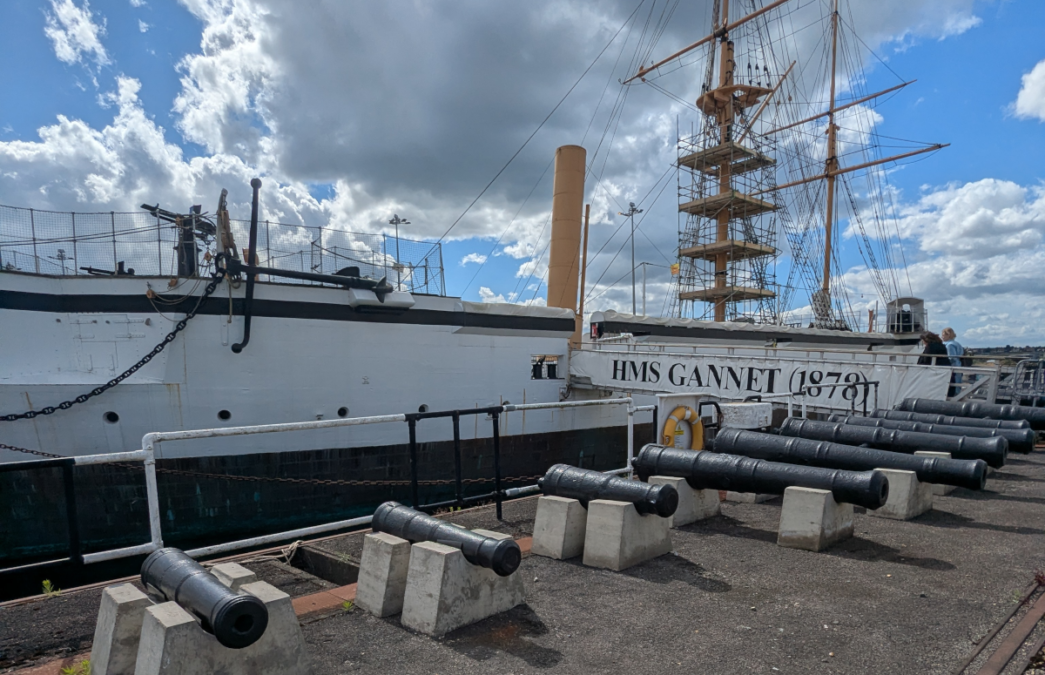
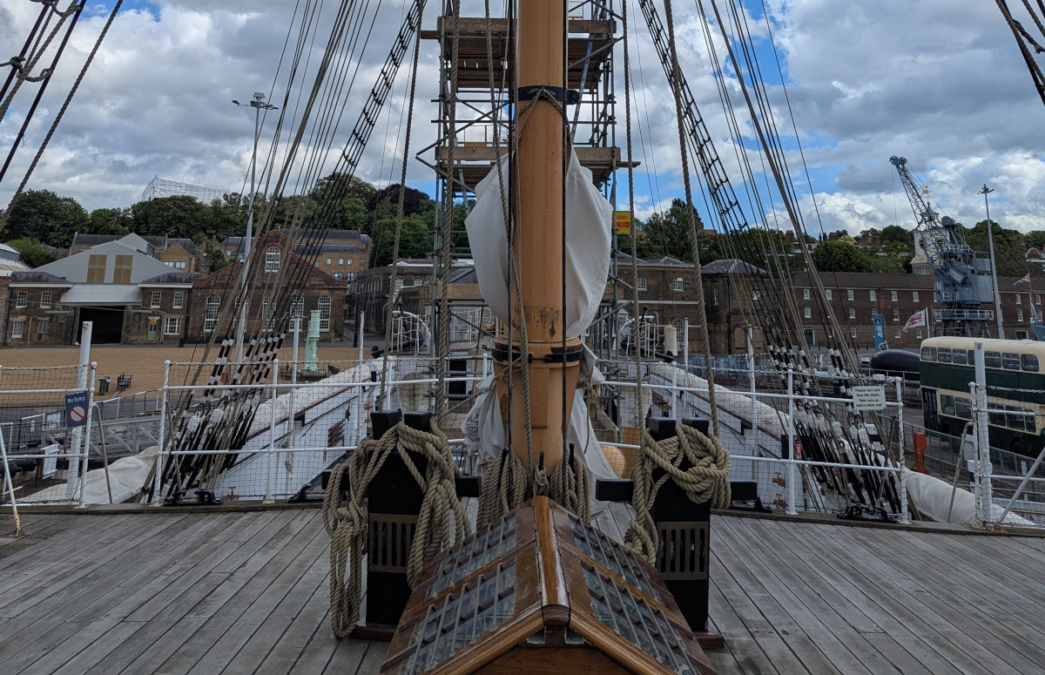
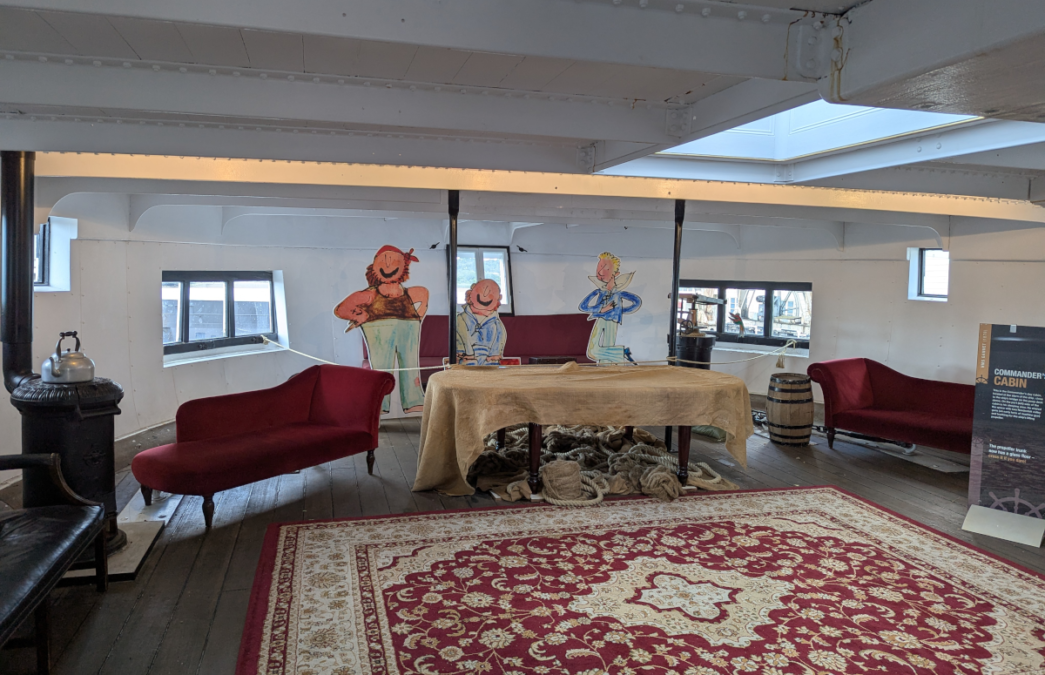
At the time of our tour there was some work being performed on the masts, which explains the scaffolding. And the Captains room below deck had been used for a recent exhibition. Despite that, I’m sure you can see it could be used for more than weddings, which our guide explained was a very popular use. So popular, there is a company that the Dockyard uses that provides shuttle services for wedding guests etc.
The Commissioner’s House – when you really want to impress
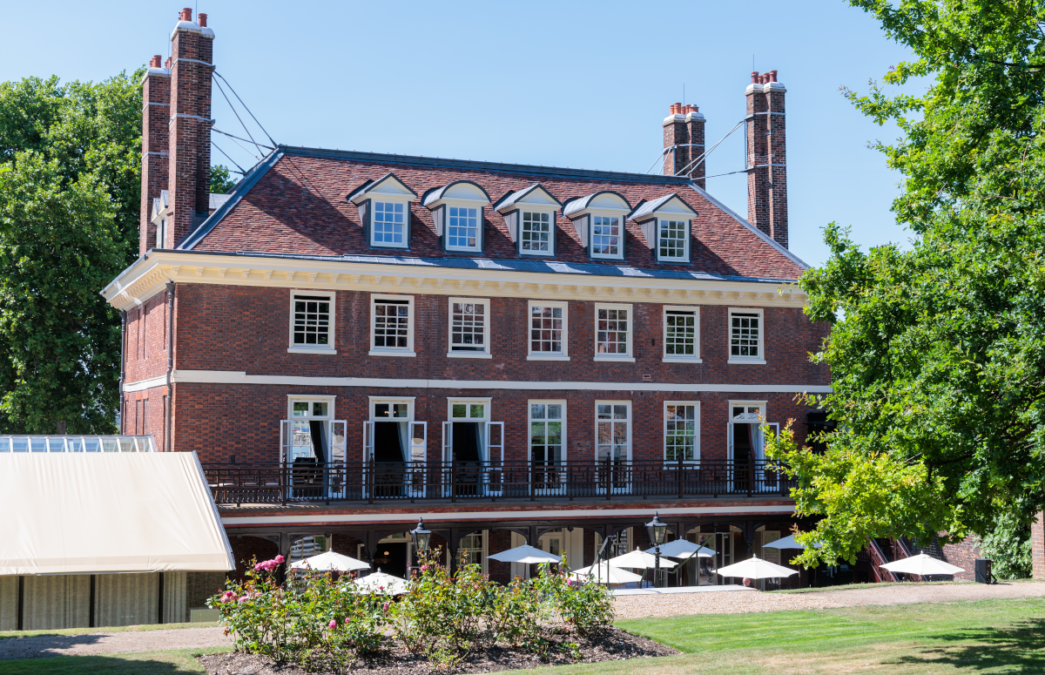
The highlight of the tour was the Commissioner’s House, built in 1704 for the Commissioner of the Royal Dockyard. It’s the oldest surviving naval residence of its kind in Britain. It has been restored while preserving it’s impressive history, same as the other Dockyard buildings, using the £3.8 million that was raised to bring back much of it’s glory.
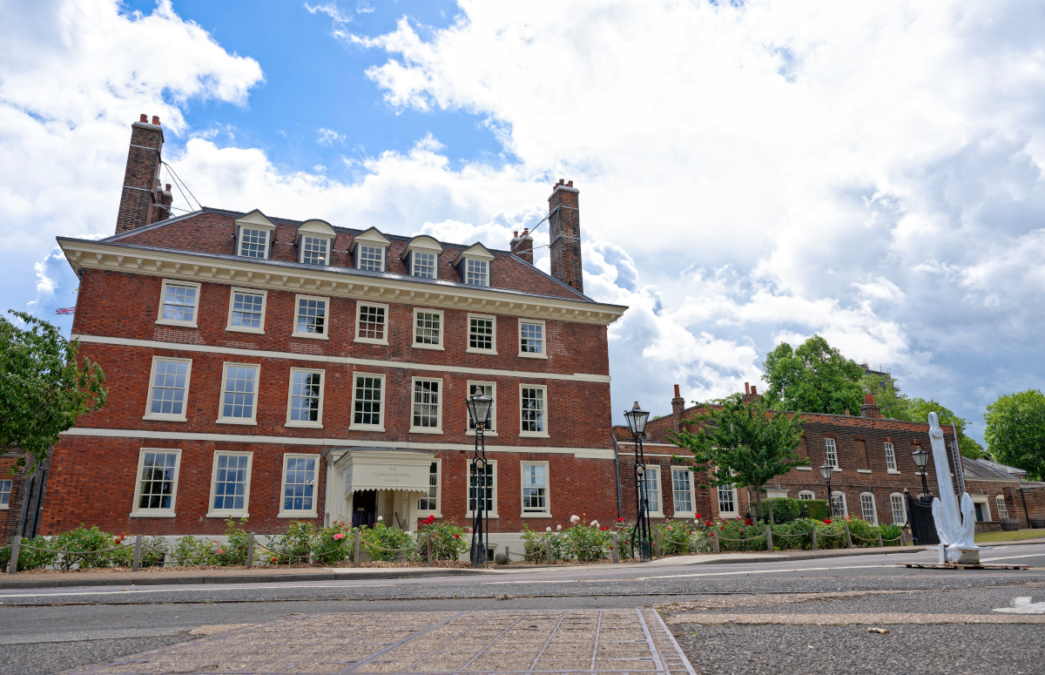
The end of the tour ended inside The Commissioner’s House where we gathered together with various members of staff, businesses who operate at the Dockyard, and people who live there. This is where I met the architect who led the work on restoring The Commissioner’s House and the Dockyard buildings, Nigel Howard.
Nigel is the Assistant Director of Historic Environments & Buildings, where he leads the conservation, restoration and adaptive reuse of our historic buildings. He originally trained as an engineering apprentice, he later built a successful career in construction and heritage conservation.
He spoke passionately about the work of preserving the history of the Dockyard, and how shipwrights were involved with the construction of the building. When they built ships, they ensured that walls could be removed, for repair as well as making the spaces adaptable. They applied the same principles to The Commissioner’s House, which greatly eased the restoration work.
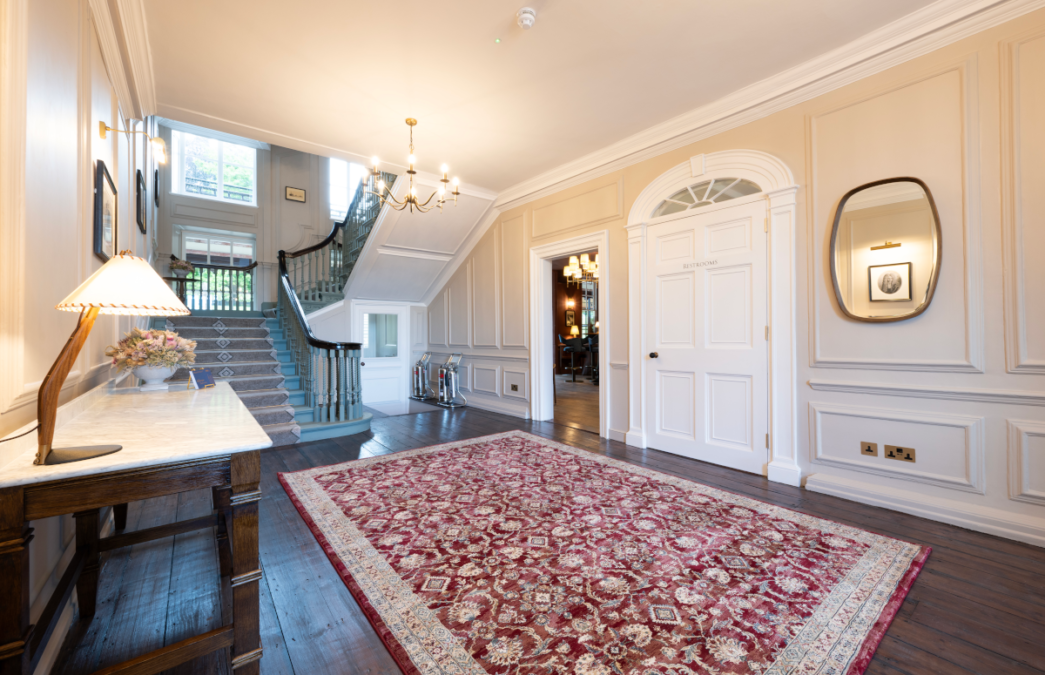
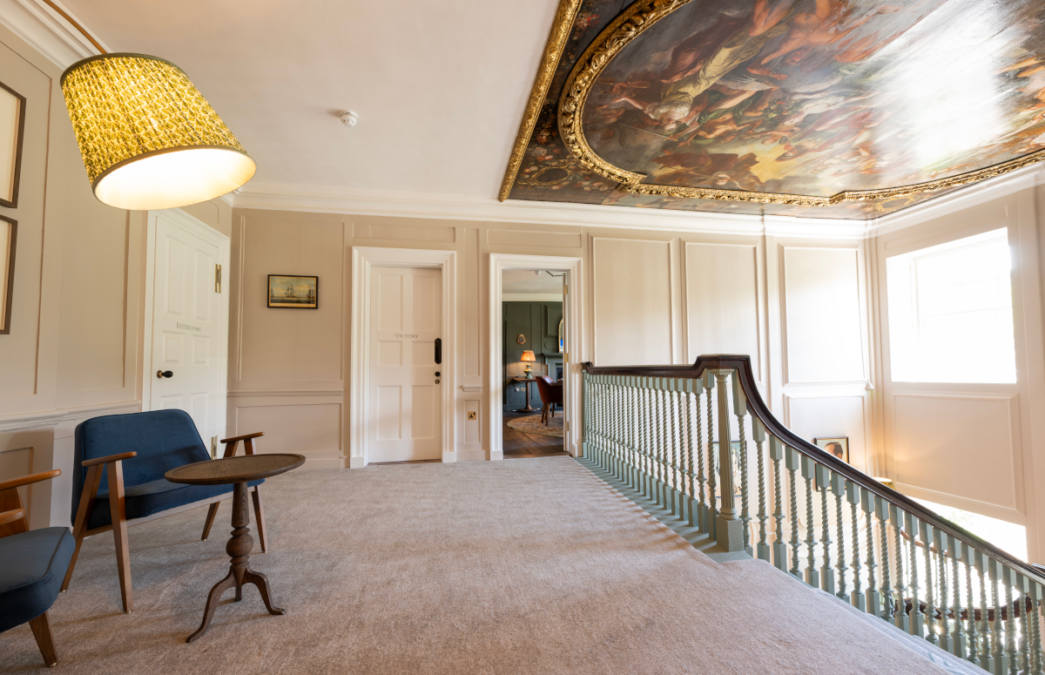
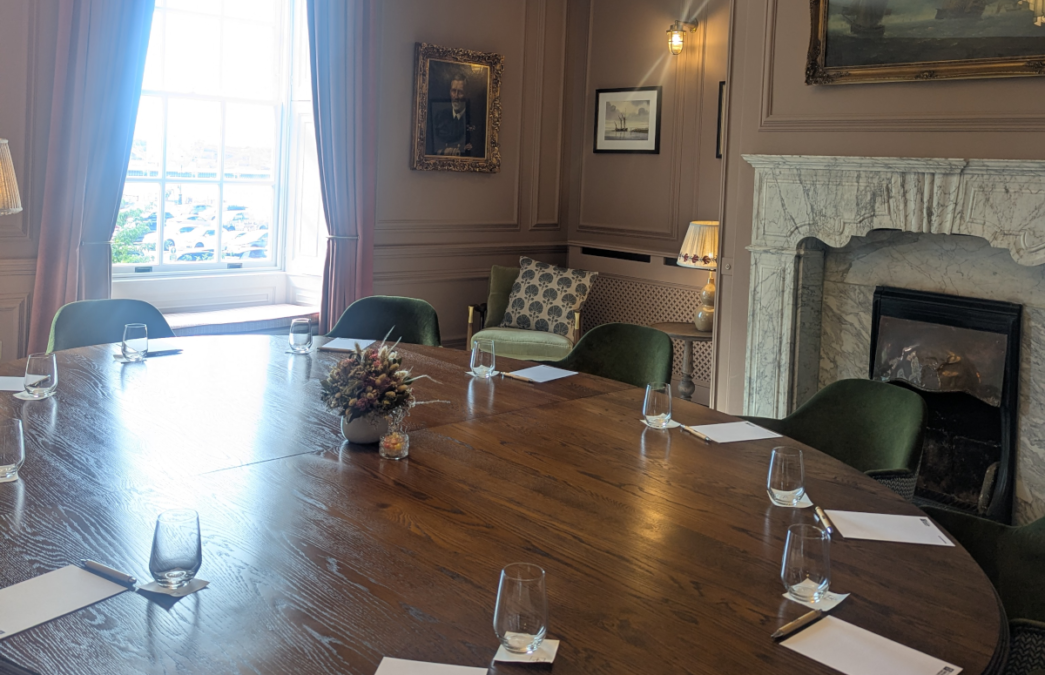
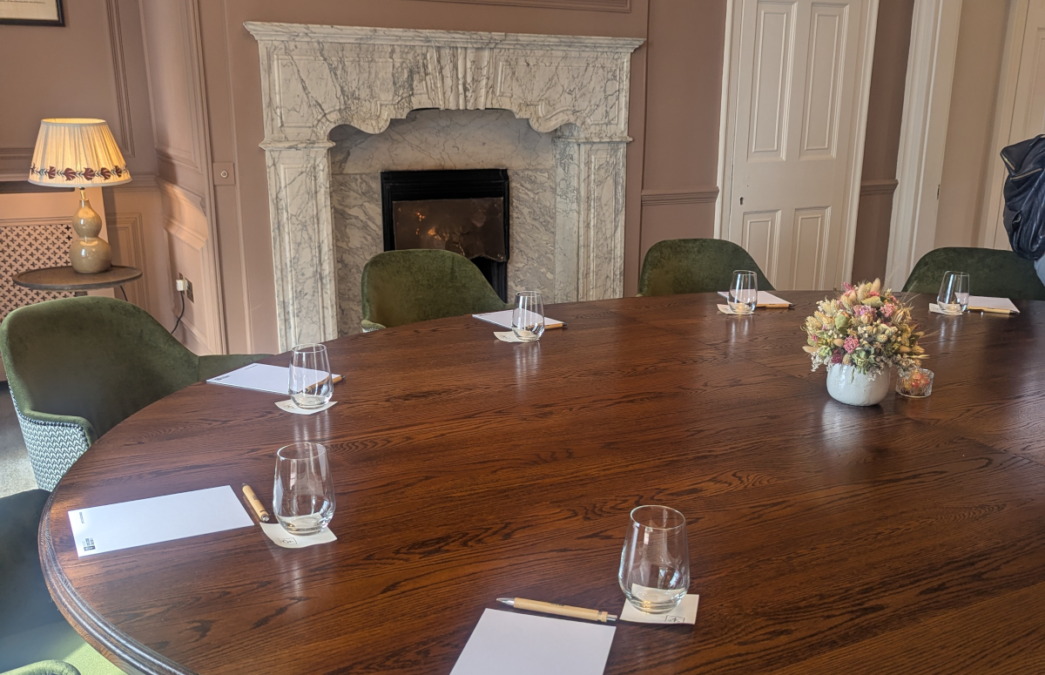
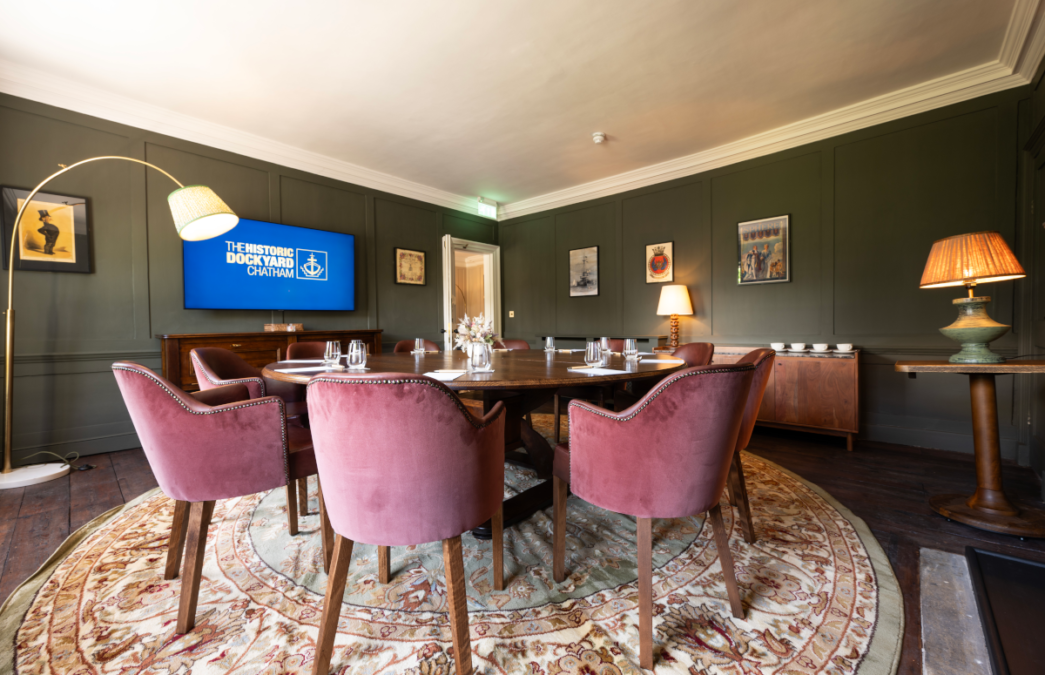
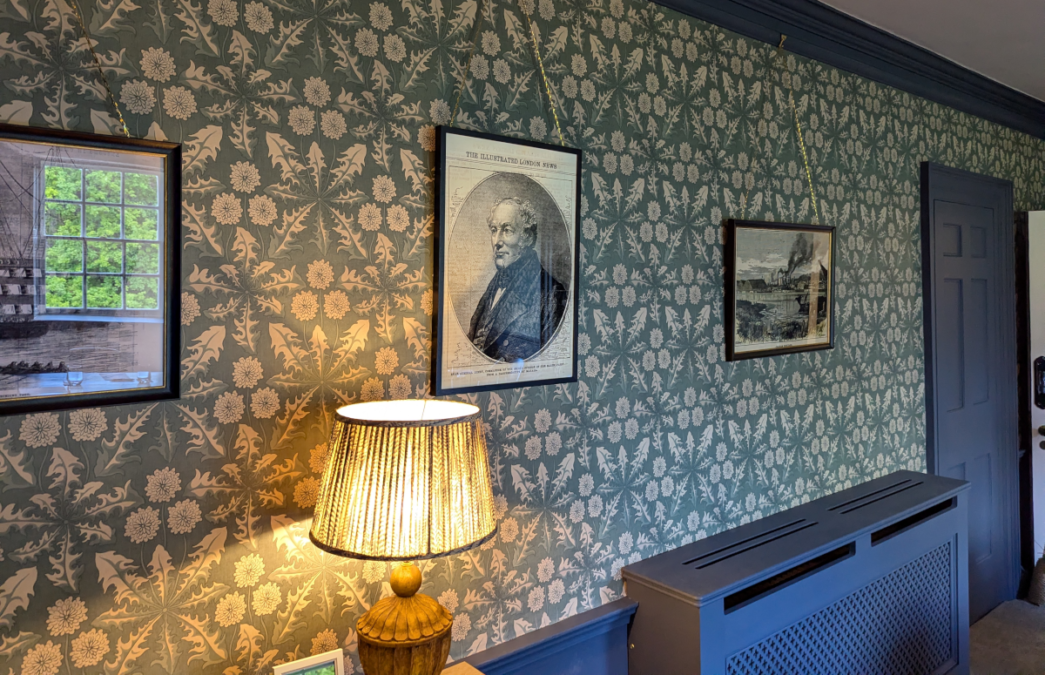
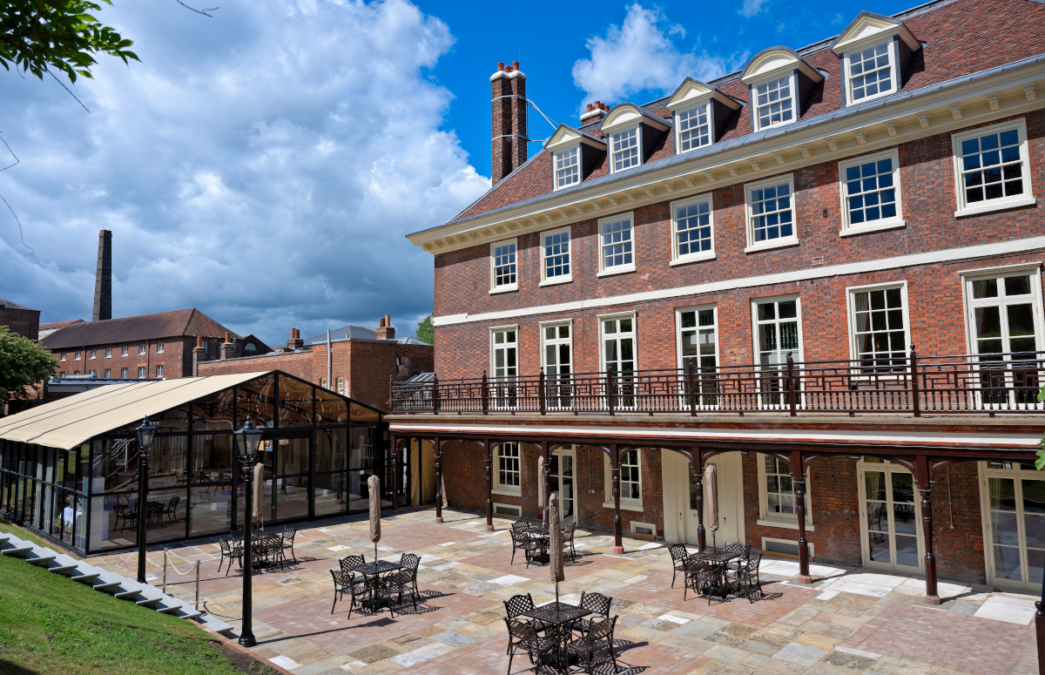
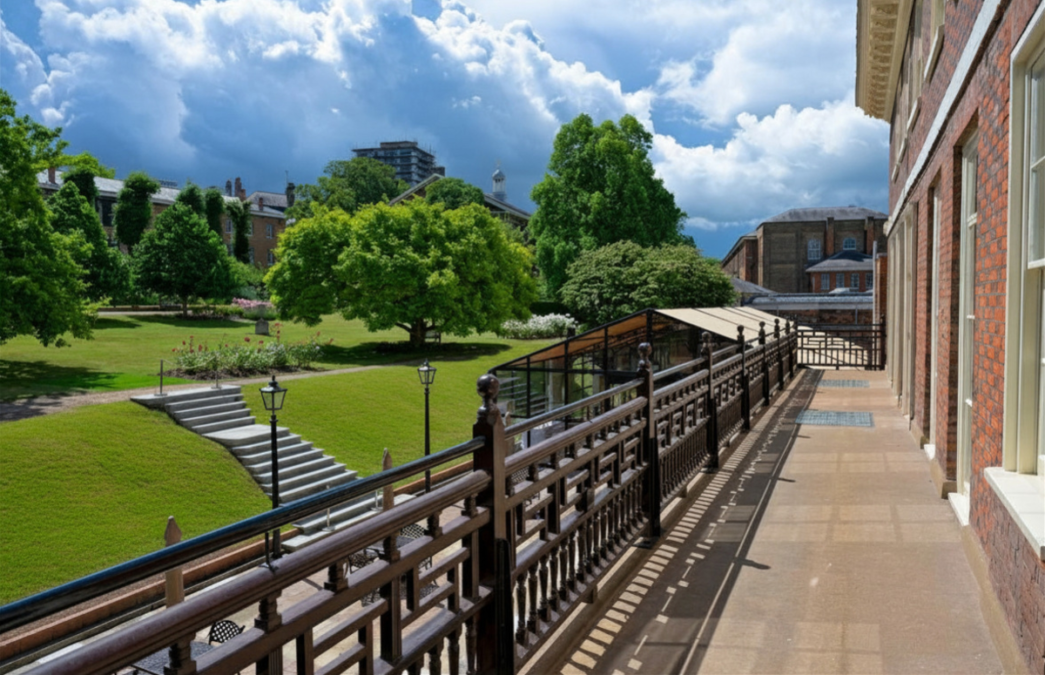
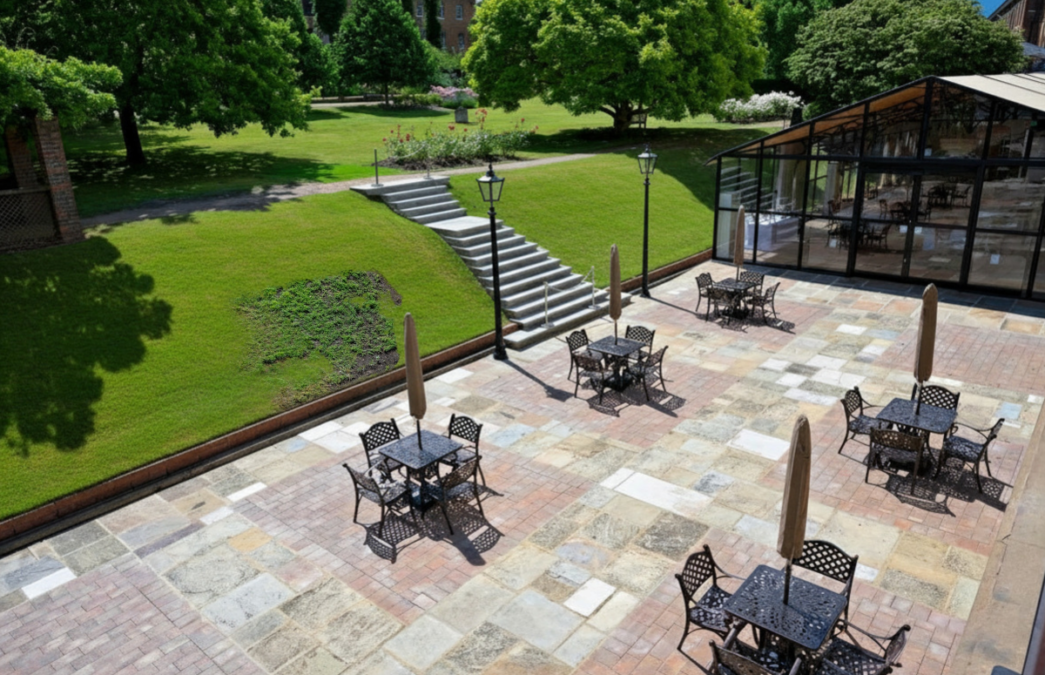
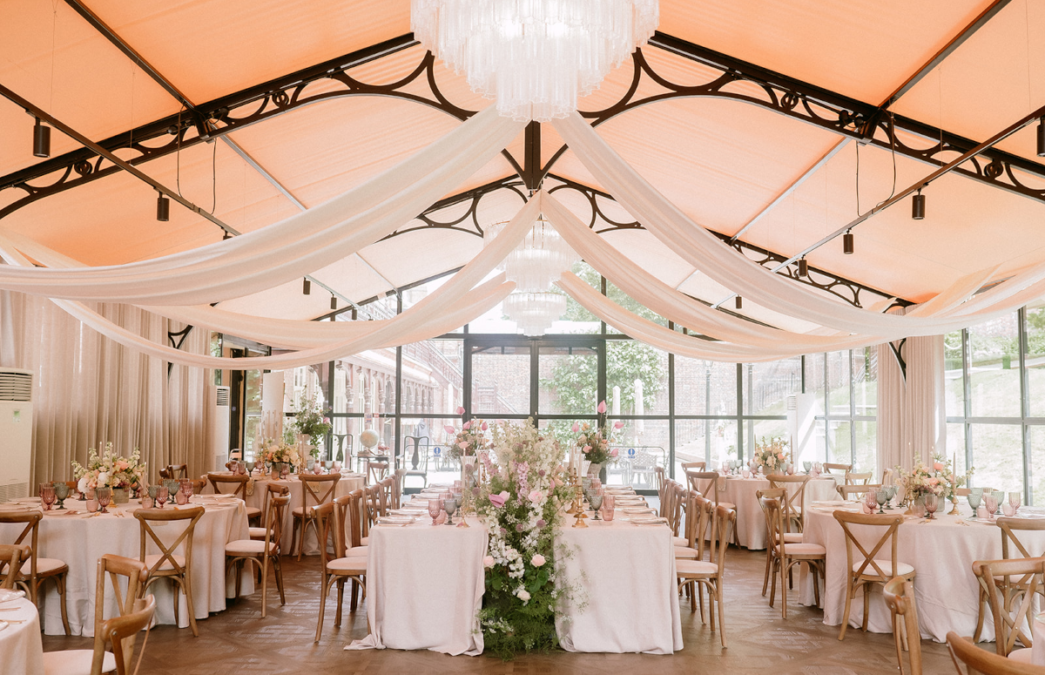
Once we had a look around the rooms inside where attentive guides were on hand, it was time to go outside for the speeches. The area at the back is just as impressive as the insides. A new space for wedding receptions and meetings had been constructed called The Orangery. Imagine a large conservatory but so much better looking and usable. It’s a light-filled contemporary space set within the Commissioner’s House gardens and connected seamlessly to the expansive private terrace.
I’m not sure I’ve done the venue spaces, and the Dockyards, justice. There’s a lot to see and explore. The restoration work is impressive and event planners will be suitably impressed. The group I was with sure was, plenty of excited discussions on what they could use the venues for.
Very early evening, people started to leave – tired but excited at what they had seen. I said my goodbyes to the group I was with and headed back to the station for my return to London. I spent the time on the train reviewing the pictures I had took, and yeah, I’m going back. As I said, there’s too much to see in one day.
The venue spaces are now available, it officially opened on the 2nd of July. Their website has plenty of information on what is on offer when it comes to venue hire, plus much more on the history and the restoration work.