Clare Forestier: My Personal Journey Into Podcasting For Events
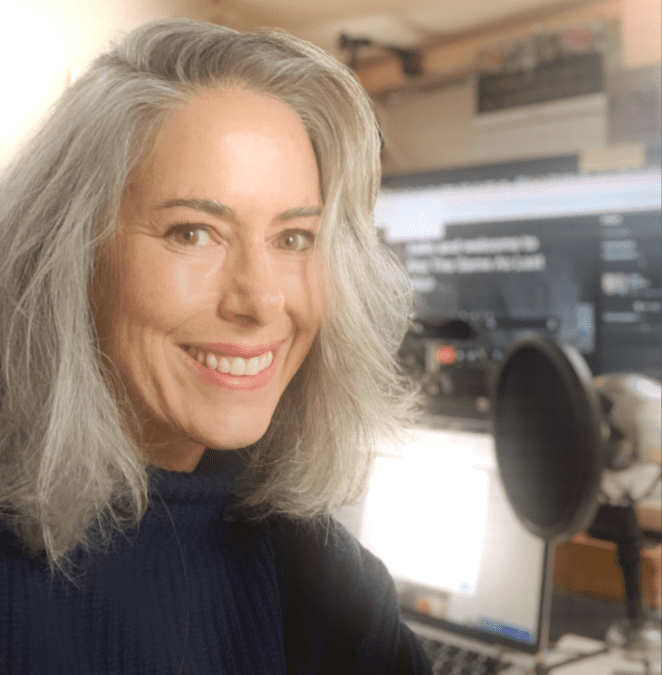
Clare Forestier shares her personal journey and how she started Not The Same As Last Year. Using her long experience in radio, Clare created a space to share her thoughts on the event industry.
I started my podcast mainly to vent my frustrations about how boring and predictable most B2B events have become and to push for real change in the industry. Yes, I want to market myself as an emcee, but more importantly, I want to share my strong opinions on how to make events better for attendees. Let’s be honest, many of them attend out of obligation rather than excitement. My goal is to influence the people who can actually make a difference and hope they’ll pass those ideas along to their clients.
Starting a podcast is a bit intimidating. It’s not just about the workload; it’s about putting your views out there in a way that’s far more permanent than a LinkedIn post. There’s a risk involved when you speak your mind today as it’s all too easy to attract trolls and criticism. But I decided to push past that and focus on the potential to make a difference to event audiences.
Having started my career in radio, talking into a microphone feels like second nature to me. I know that’s not the case for everyone. It can be pretty daunting at first and while I wasn’t scared of a mic, the tech and process of podcasting were new to me, so I worked with a small agency to help me set up the first few episodes, show me where and how to host it, and teach me the ropes. I use Riverside.FM to record and edit it and bought a good microphone.
The first 20 episodes were easy to plan because I had loads of ideas ready to go from my past work and social media posts. It gets tougher to come up with new ideas as you go along, but I keep a list of potential topics in Trello so I’m never completely stuck. When I’m stuck for where to start, I put some older episode scripts into ChatGPT and let it suggest issues to go deeper into and help me shape the episode structure.
One of the key decisions I made was to only have guests on about one in every four episodes. This is a deliberate choice to keep the focus on my own ideas and experiences. For one thing I’m trying to introduce an audience to the concept of an emcee, and indeed to see me as an emcee for their events so they need to hear from me. And also the podcast is a platform to express my views on how to make events more engaging and attendee-centric, and I don’t want that message to get diluted by having a guest every single time. When I do invite guests, it’s because they genuinely add value to the conversation and align with my mission, not just to fill an episode.
And when the guests are on, I take a different approach from most podcasters. My solo episodes usually run no more than 15 minutes, while guest episodes are capped at around 30 minutes. I tightly edit my guest interviews, and unlike many podcasters who record the whole episode with the guest present, I record my introductions and outros separately from the main interview. This method helps me maintain control over the pacing and structure, making sure each episode flows smoothly without too much filler as I really want the content to be sharp. The listeners tune in to learn, not to hear 10 minutes of cliquey rambling about which Expo we met at, or our event prof name dropping.
My radio background taught me that it’s crucial to know exactly what you’re going to say before you open the mic, which is why I script my episodes. I don’t want to press record without a clear plan.
Recording episodes in batches from home is convenient, but sharing my office with my loudly voiced husband, also known as the Very Important Businessman, makes it challenging. Often I have to record quite quickly, and since I like to use the video of my podcast for social posts and YouTube, I’m usually just shoving on some lipstick and grabbing a moment to record; I can get through 3 episodes in 45 minutes if I have to.
I was taught that I should release an episode at the same time each week, but life happens, and I’ve had to learn to forgive myself when the schedule slips. I’m still finding my way with shortcuts and best practices, but one thing I have learned is to edit the episode on the same day as the recording. If you leave it too long, you lose the thread of what you were aiming for, and it becomes much more of a hassle. The only way I’ve managed to juggle work, family, and podcasting is by treating it like a non-negotiable appointment. I schedule writing the scripts just like I would a work call, so I always have at least one in the bank each week.
Podcasting is a learning curve, but I do enjoy being able to share my views and find others who identify with the message. In the short term, my podcast has introduced me to a wider audience, helped establish my credibility with the events industry, and resulted in business leads. In the long term, I believe that by keeping episodes short and impactful, focusing on what matters to audiences, and resisting the urge to interview other event professionals who don’t align with my message (even if they might increase my listenership), my podcast will ultimately achieve its goal – making events better for attendees.