In a recent episode of Backstage Pass podcast series, guests Chris Rhodes (Creative Director) and David Lourenço (Production Manager) from London-based agency Experience Events, explored the dynamic relationship between creative and production teams. For UK event planners managing escalating venue fees, tight margins, and shrinking lead times, one challenge stood out above all: Balancing ambitious client visions with ground-level build feasibility.
 Backstage Pass: What are the challenges and rewards of event design and production?
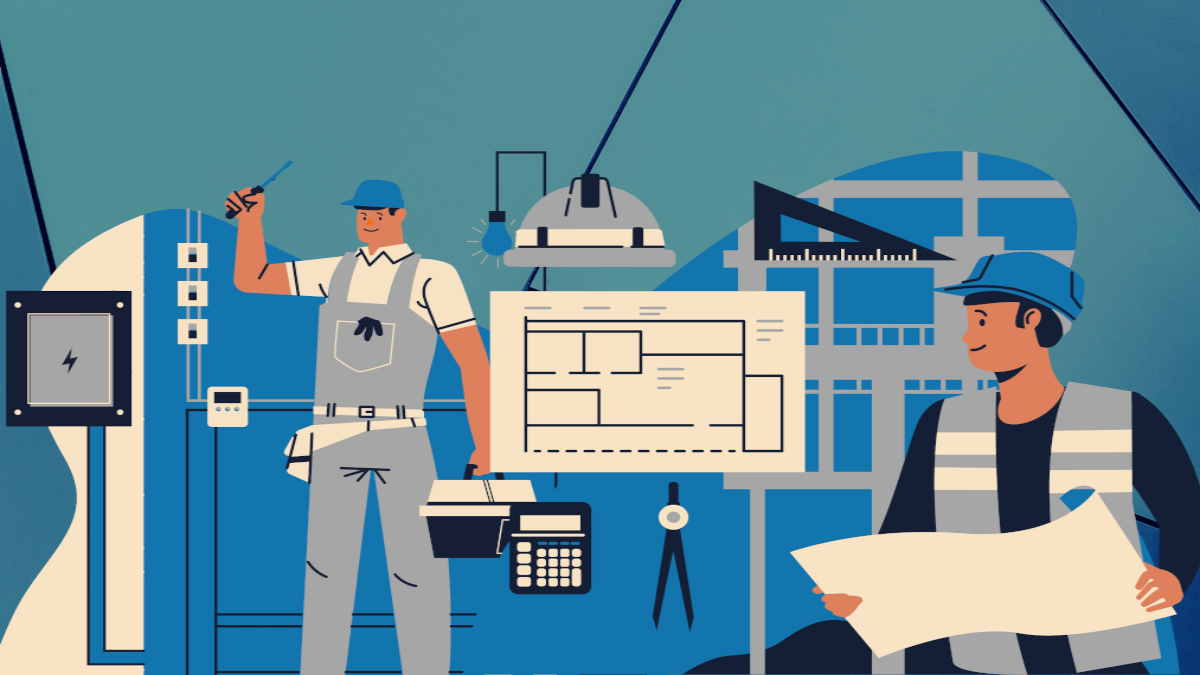
Throughout the episode, Chris and David highlighted how seamless, real-time collaboration between creative visualisers and technical execution teams protects live production. Too often, design concepts are pitched in isolation, creating friction once production crews attempt to construct them within static budgets or challenging UK venue constraints. By involving technical managers in early brainstorming sessions—and utilising paper sketches before jumping into digital tools—agencies can address structural, spatial, and financial hurdles long before setting foot on site.
While the discussion touched on how artificial intelligence is accelerating early-stage workflows like venue research and rapid prototyping, both guests emphasised that physical execution remains strictly human. Generative software cannot measure a doorway, navigate venue load-in restrictions, or oversee safety compliance. When client budgets face inflationary pressures, success relies on clear, honest communication. Rather than diluting an entire build or compromising on execution quality, planners must guide clients towards prioritising high-impact, immersive touchpoints that drive attendee engagement.
Ultimately, high ROI in event design stems from ensuring creative visionaries and technical pragmatists speak the same language from day one. By fostering close communication between design and production teams, planners can safeguard build quality, manage expectations effectively, and deliver memorable live experiences without exceeding financial boundaries.
Here are my key takeaways…
- Integrate Production Early: Bringing technical leads into initial creative sessions prevents unrealistic pitching and catches costly spatial or structural issues early.
- Focus Investments for Impact: When budgets are tight, guide clients to invest in high-touch, memorable features rather than diluting overall quality across the entire space.
- AI Complements, Human Expertise Delivers: Use AI tools to speed up initial research and concept visualisation, but rely on technical experience for site measurements, safety compliance, and live execution.
How do you keep ambitious creative concepts aligned with strict technical realities and budget limits when managing client expectations during early site planning?